

Description
Related content
This is a one-size-fits-all generic description for all details
-
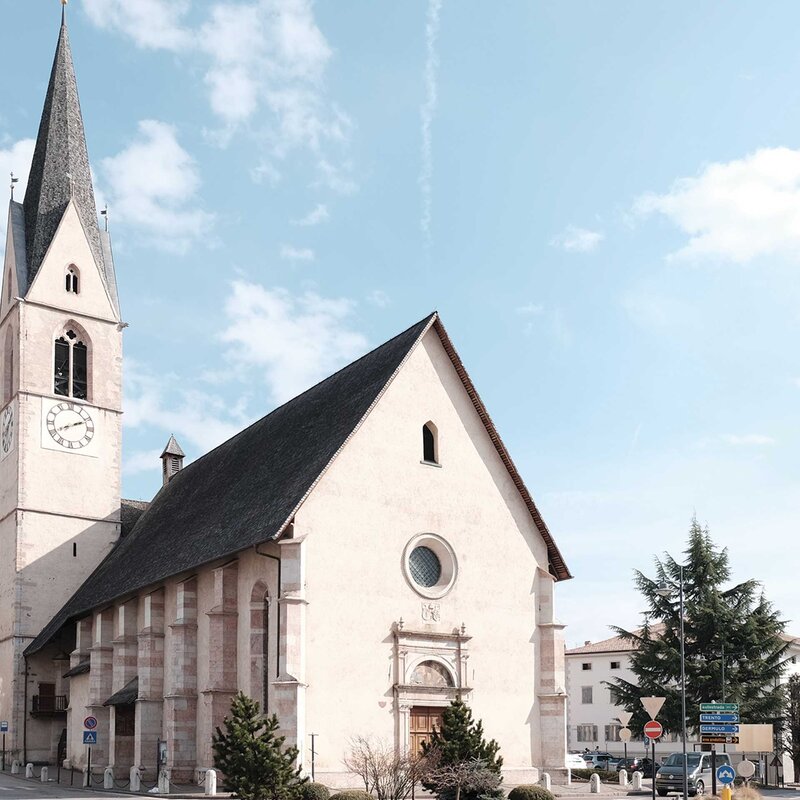
ARCIPRETAL CHURCH OF SANTA MARIA ASSUNTA
ChurchesThe Arcipretal Church of Santa Maria Assunta is the main religious building in the suburb, an antique parish church of Medieval origin first cited in 1188 and restored in Gothic-Renaissance style by the Bishop Prince Bernardo Cles in 1523. The bell-tower is 58 metres high with a bell weighing over 2200 kg, and it houses one of the “Wonders of Val di Non”, the silverware donated in 1727 by the Baron Giuseppe de Cles.
-
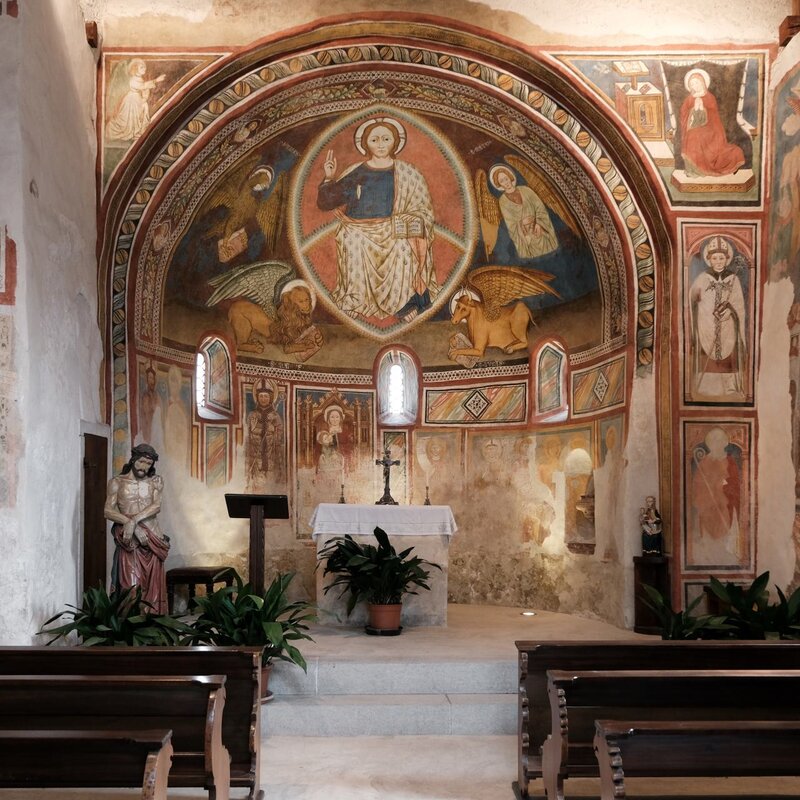
CHURCH OF SAN VIGILIO
ChurchesThe church of San Vigilio, first mentioned on 14 December 1191, is home to a rich and varied painting heritage.
-
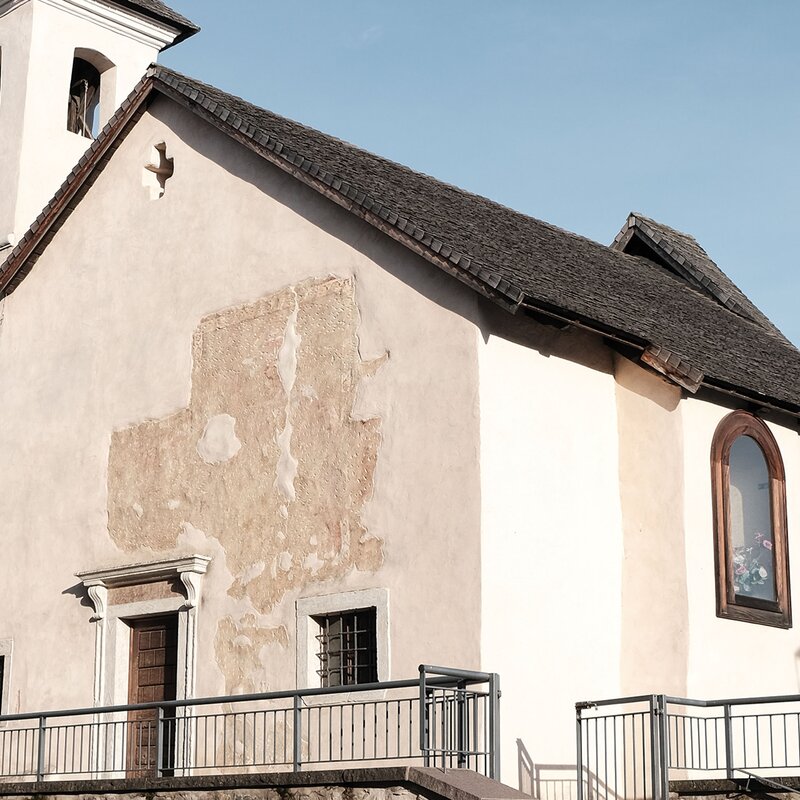
CHURCH OF SAN PIETRO AND PAOLO A MAIANO
ChurchesThe church of San Pietro a Maiano was first mentioned in 1348. Recent archeological excavations inside have established extremely ancient origins for the building, based on burials dated between the VI and VIII centuries A.D. The interior is embellished with fine fresco paintings from the 1300s including a New Testament cycle painted by the Maestro di Sommacampagna around 1370.
-
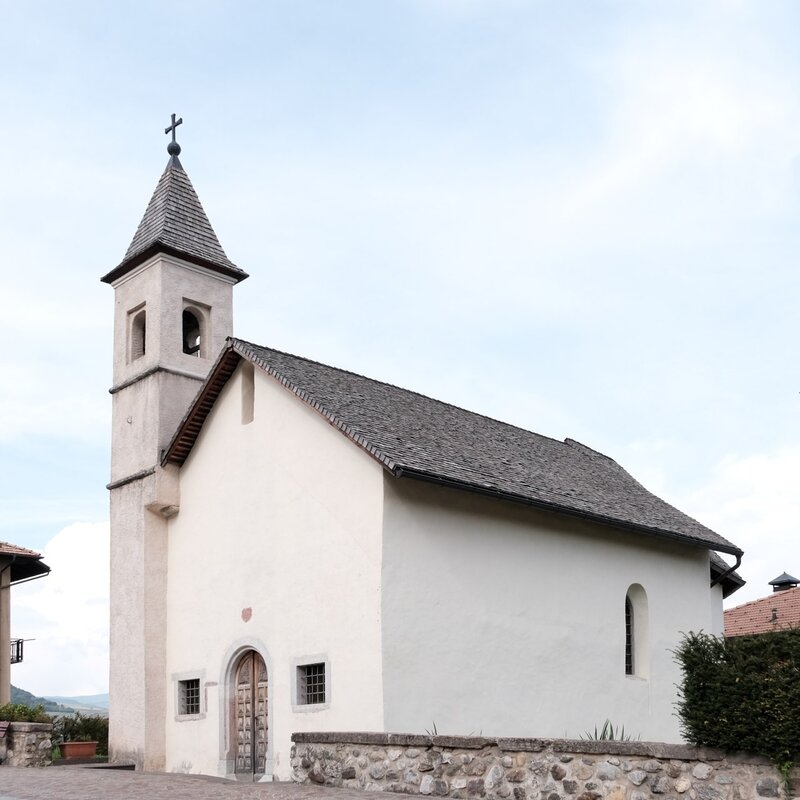
Chiesa Tommaso Frazione Dres
Churches -
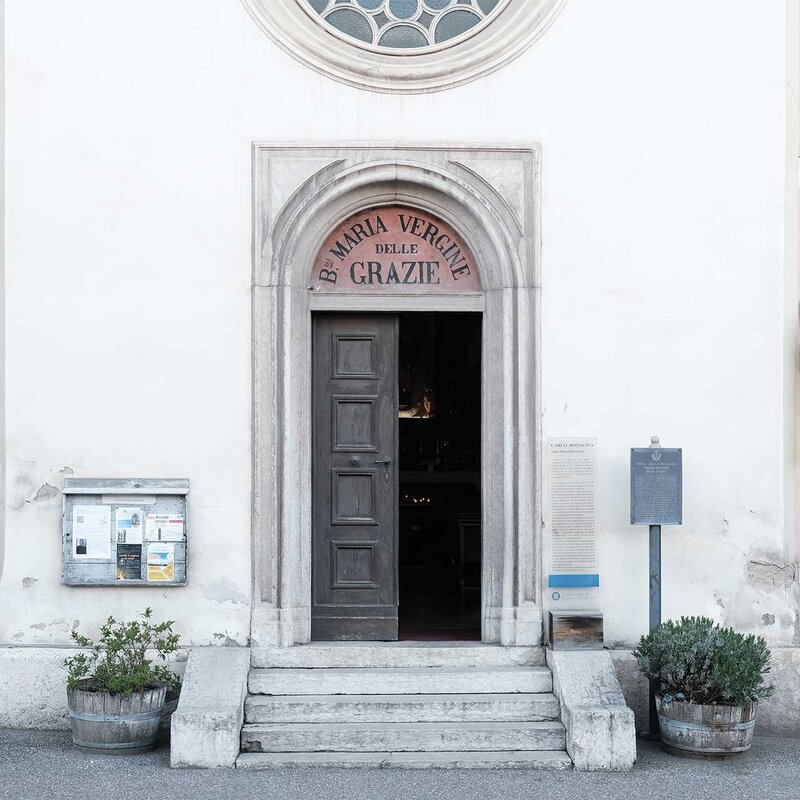
THE CHURCH OF SANTA MARIA DELLE GRAZIE
ChurchesThe church of Santa Maria delle Grazie in the suburb of Prato was consecrated in 1691 and is affectionately known as ‘La Madonnina’ or ‘Little Madonna’ by the local people. Preserved inside is a cycle of paintings called Storie Clesiane (Historic Events of Cles) by the artist Carlo Bonacina and considered one of masterpieces of Trentino mural painting from the 1900s.
-
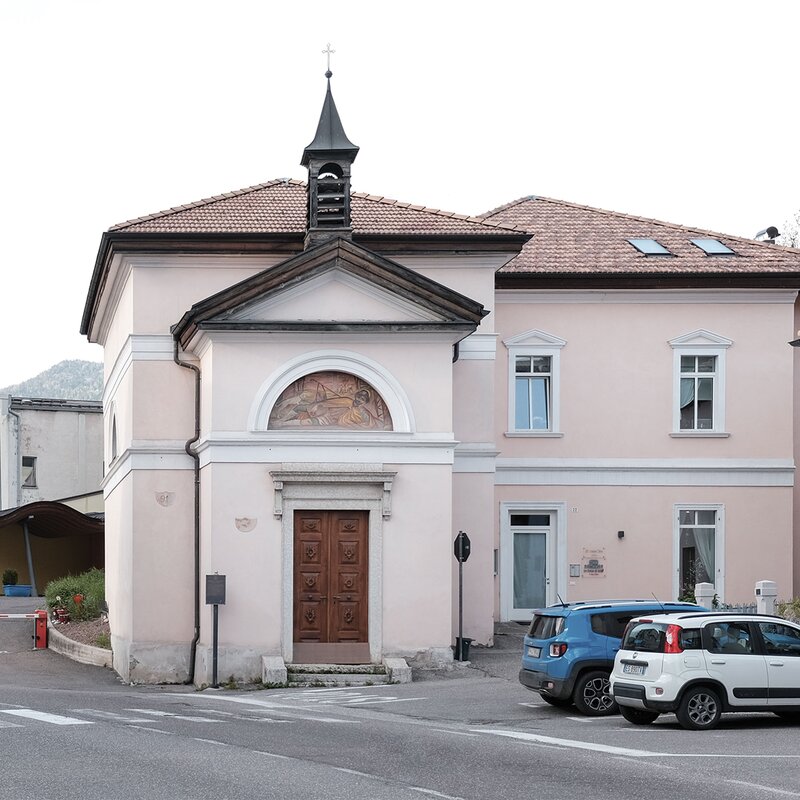
CHURCH OF SAN ROCCO
ChurchesThe subsidiary church dedicated to the French pilgrim saint and miracle-worker, Rocco di Montpellier (popularly known as Saint Roch), is decidedly neoclassical in style with artwork by Carlo Bonacina on the facade.
-
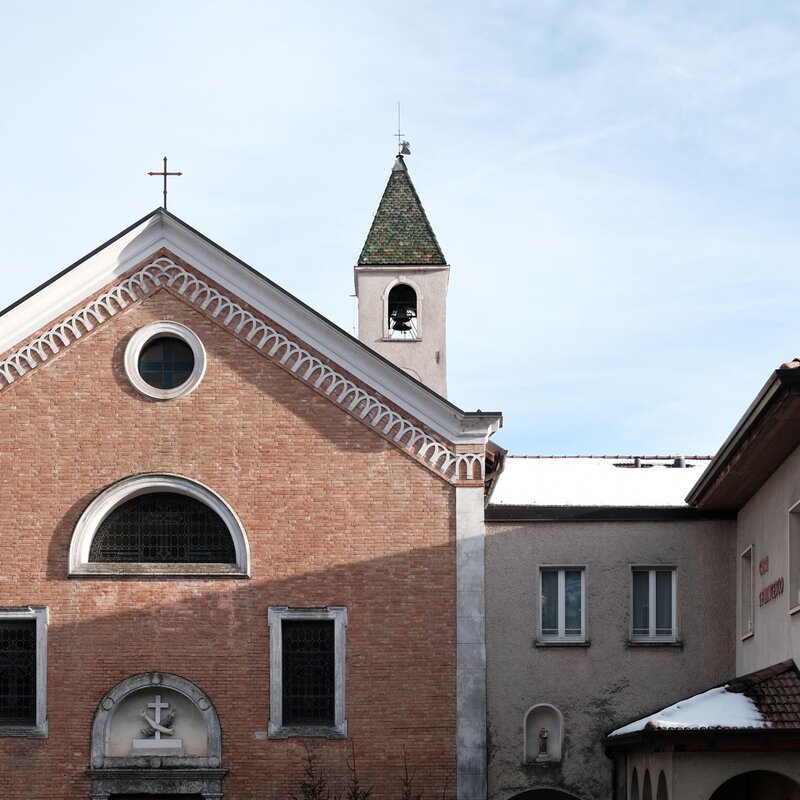
FRANCISCAN CONVENT AND CHURCH IN CLES
ChurchesThe convent of the Franciscan Friars Minor and annexed church of Saint Anthony were built following the plague of 1630 on the initiative of the people of the Non and Sole Valleys.
-
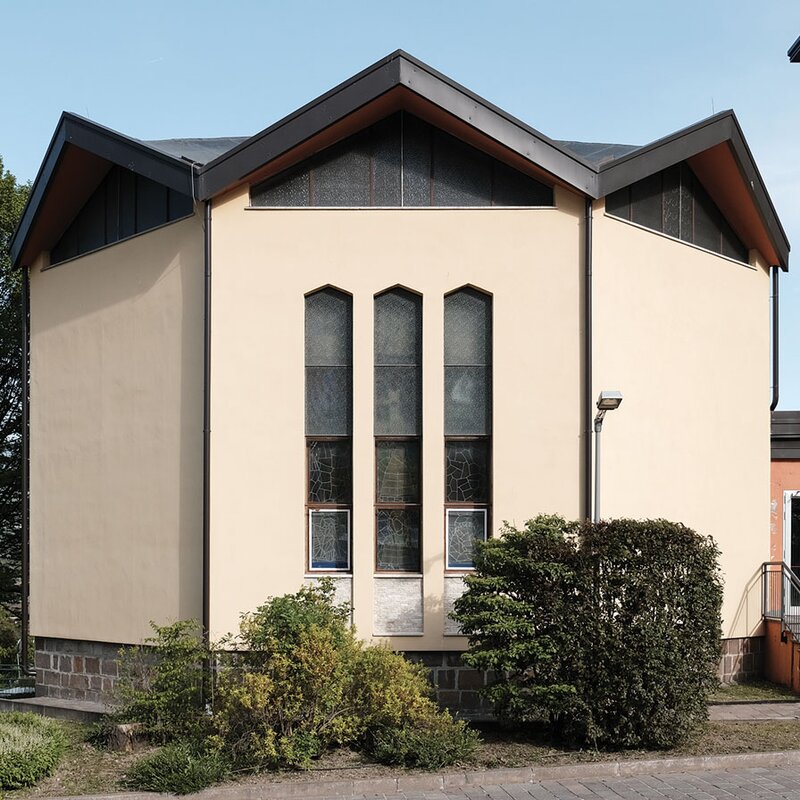
THE CHAPEL OF CLES HOSPITAL
ChurchesCles Hospital Chapel was inaugurated in 1962 and is the most significant item of 1900s religious architecture in the town. It is also one of the more mature examples of the creative partnership between the Cles architect Carlo Keller (1906 - 1982) and the Veneto artist Carlo Bonacina (1905 - 2001).
-
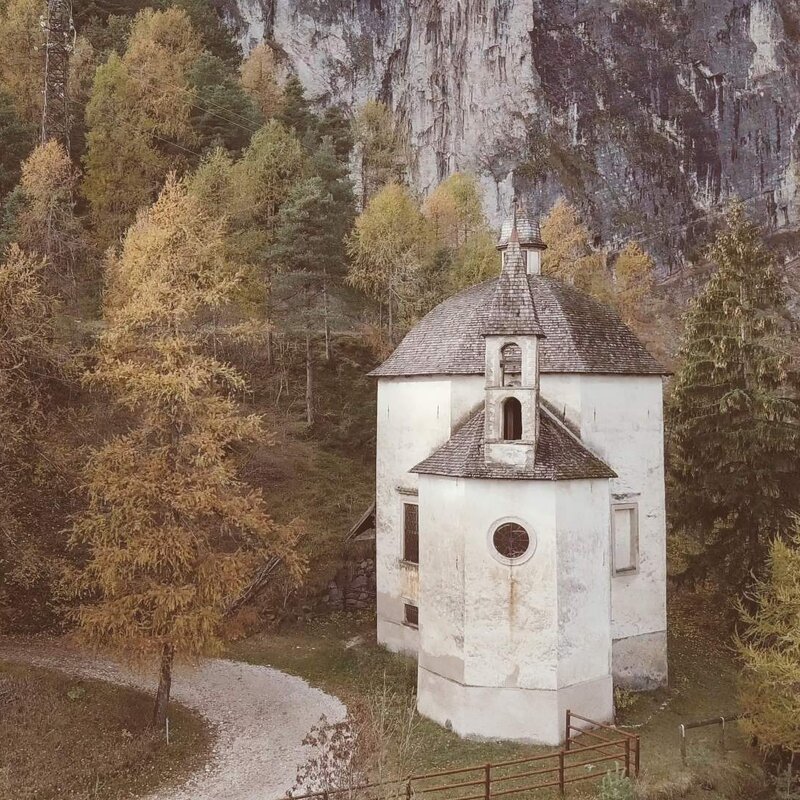
Chiesa Del Santo Crocifisso Fae
Churches -
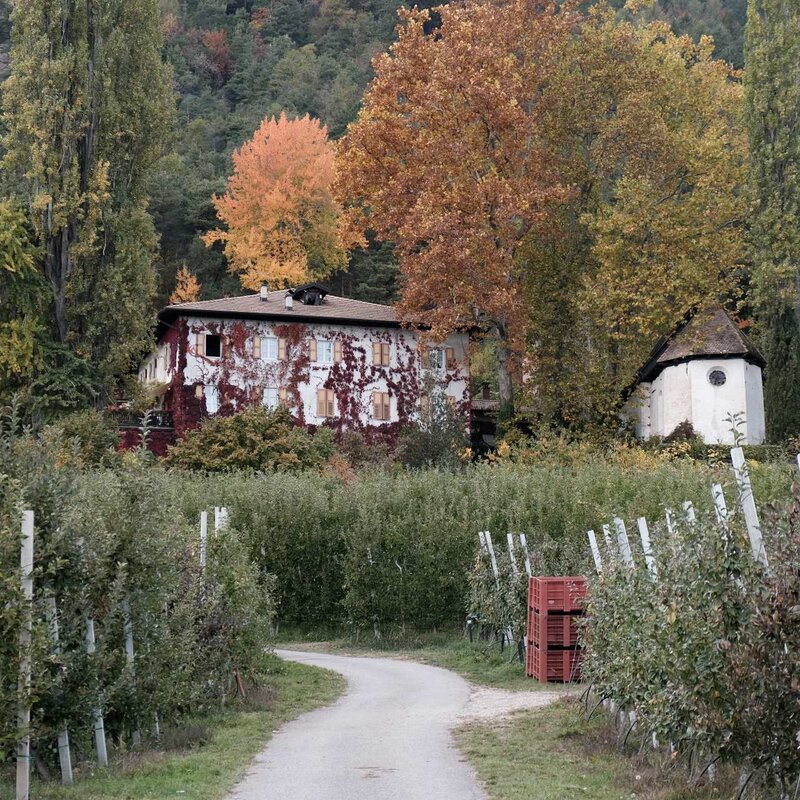
CHURCH OF SAN VITO
ChurchesThe church of Saints Vito and Modesto stands on the slopes of Monte di Cles, in a locality known as “San Vit Aut”. It was first documented in 1472 and houses a large wooden Baroque altar dated 1668, one of the masterpieces of the very successful Cles Strudel/Strobl artistic workshop.
-
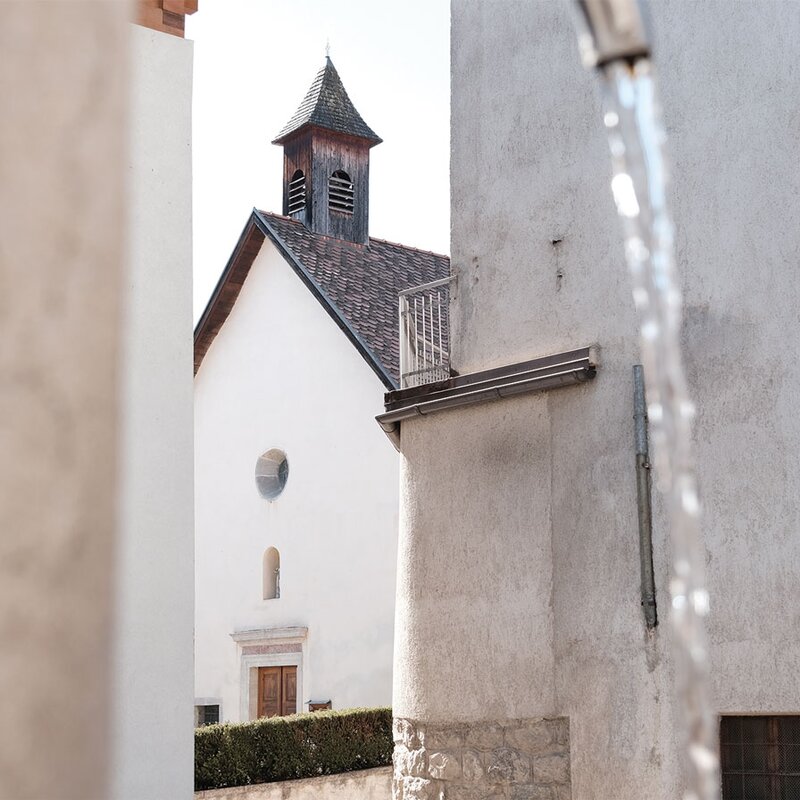
CHURCH OF SANTA LUCIA VERGINE E MARTIRE A CALTRON
ChurchesCited in 1328, the church of Santa Lucia a Caltron houses the altar doors originally of an old Flugelaltar, today fixed to the triumphal arch. It is worth a visit just to see them and observe the close links with the figurative language of South Tyrol.
-
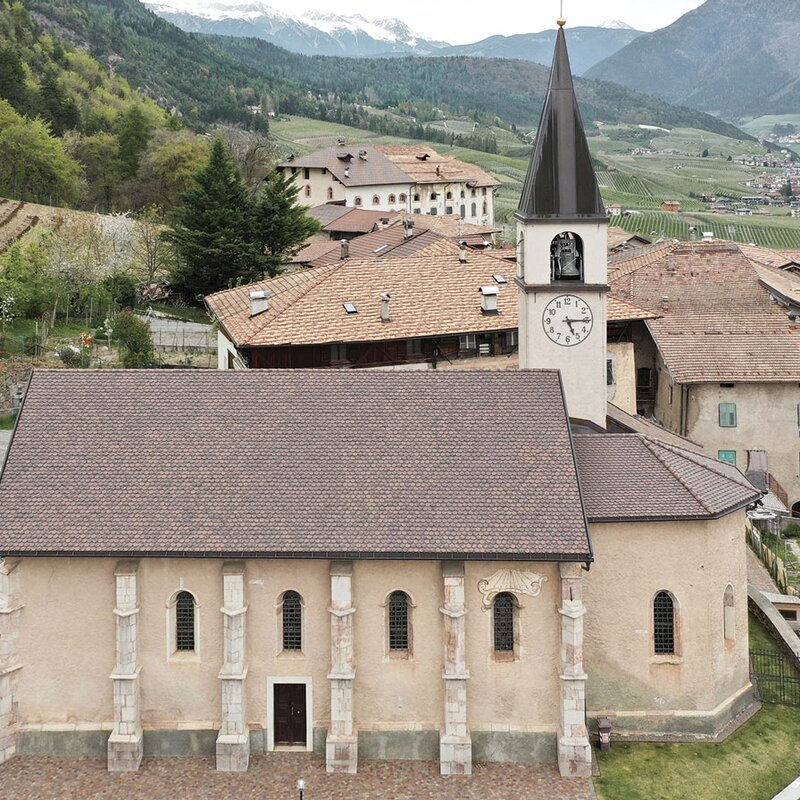
CHURCH OF SANTA MARIA ASSUNTA OF MECHEL
ChurchesThe church of Santa Maria stands in the centre of the Mechel settlement in a raised position dominating the central square. It was first documented in 1226, rebuilt in Renaissance Gothic style in 1586, and promoted to a parish church in 1943.
-
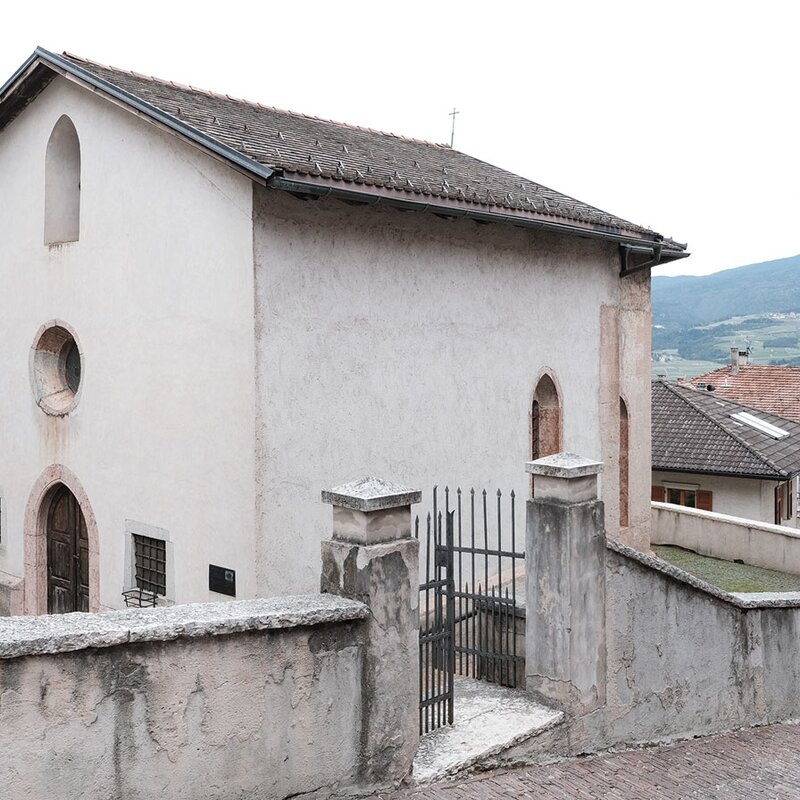
Church of San Lorenzo
ChurchesThe church of San Lorenzo is located on the north-eastern edge of the old centre of Mechel, not far from Castel Firmian. Documented for the first time in 1390 and restored in 1529, it contains interesting late Gothic fresco paintings and a rare image of Simonino (Simon of Trent).


