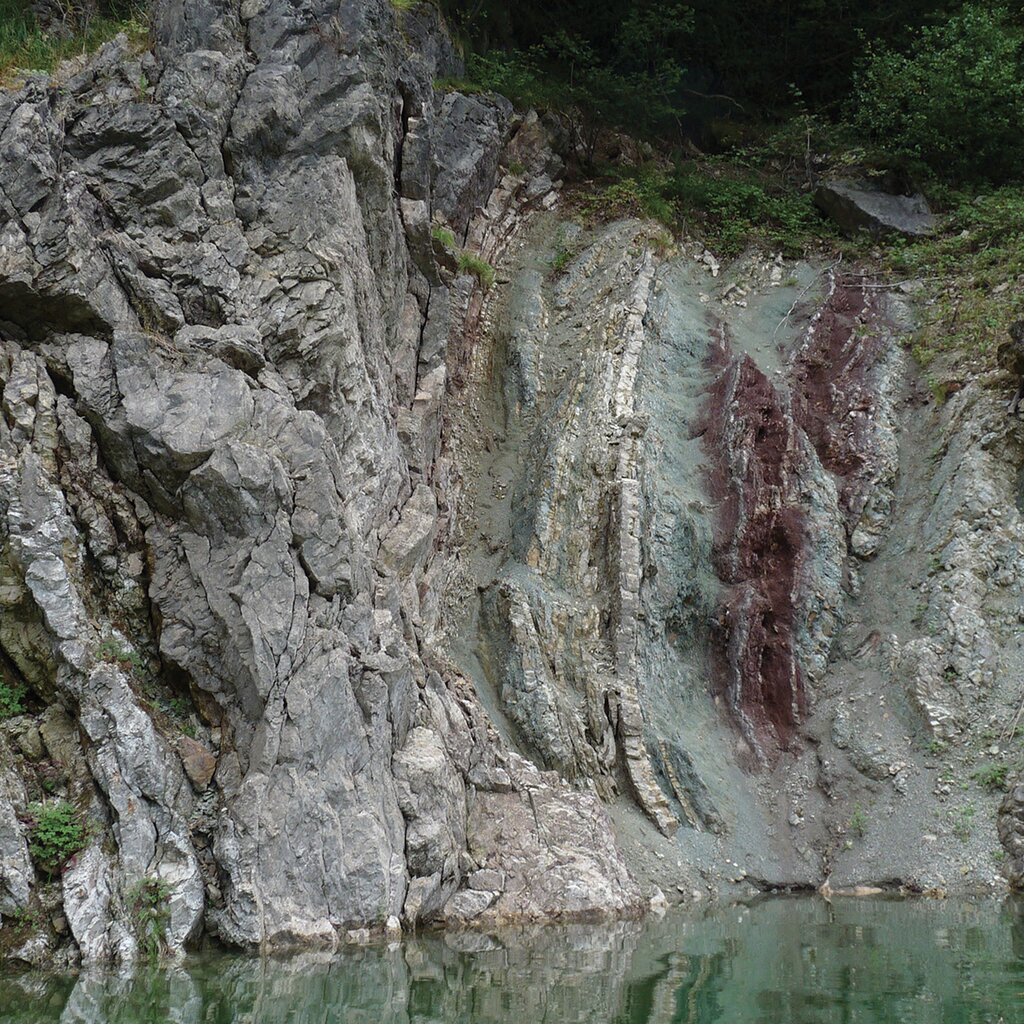

Rock outcrops in the local Cles territory are almost exclusively sedimentary in origin, formed over hundreds of millions of years by slow deposition of clay, sand, and other materials on the beds of ancient seas that once covered this area.
The discovery and subsequent interpretation of fossils and the theory of plate tectonics have made it possible to explain the current distribution of rocks on the Earth and especially the creation of mountain chains, including the Alps.


Cles Local Council lands are currently 53% forested. In former centuries the exploitation of forests was much more intensive and the forested areas were drastically reduced. In recent years there has instead been the inverse phenomenon known as “afforestation”, resulting in a net increase in forested areas, which are now encroaching on all the areas previously used for pasture. Along the margins of the apple orchards that extend around Cles, San Vito, and Mechel, and along the base of the Cles mountains, there are artificial pinewoods consisting of black and red pine trees. The former were introduced by humans after the First World War, while the latter were partly planted and partly originated spontaneously as a pioneer species capable of growing in arid low fertility terrain. In the most humid areas there are a few strips of beech wood of great ecological value. These lie close to Castel Mechel with other small patches near the Roplan area.
Fauna of the Val di Non Capital Town
The territory of Cles is home to an abundant and diversified fauna as a result of significant height variations creating numerous different habitats. The Santa Giustina Lake, though artificial in origin, is home to numerous fish species, deriving mainly from regular introductions by fishermen. These include perch, different varieties of trout (including the highly valued brown trout), carp, chub, common rudd, and tench, along with some large pike.
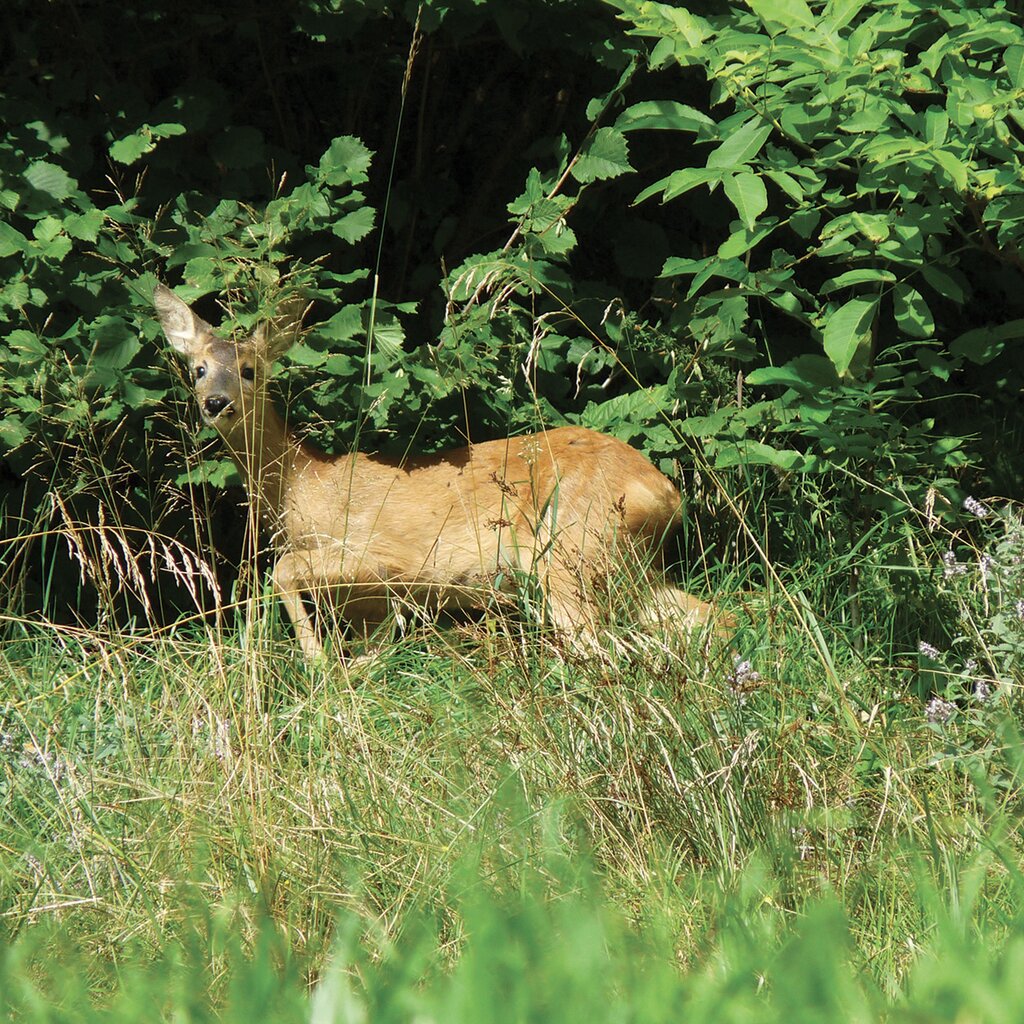
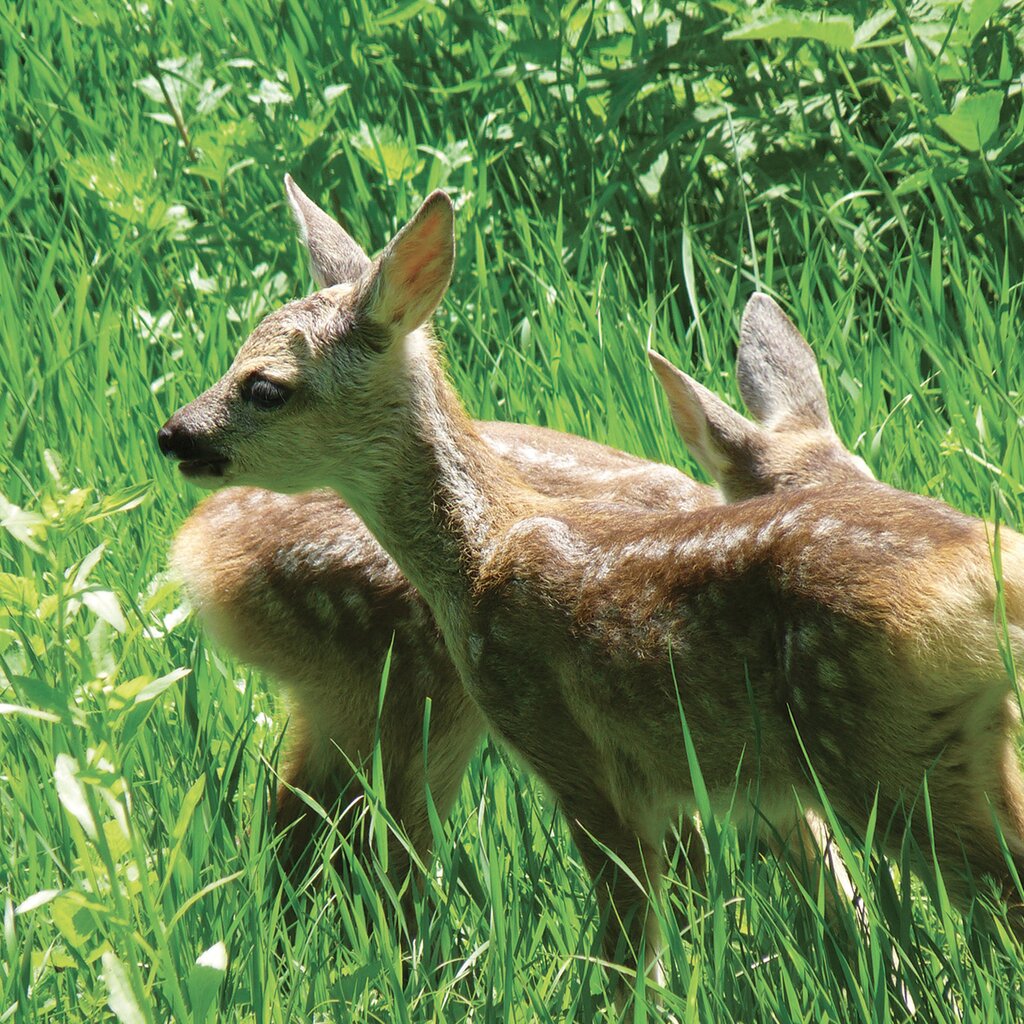
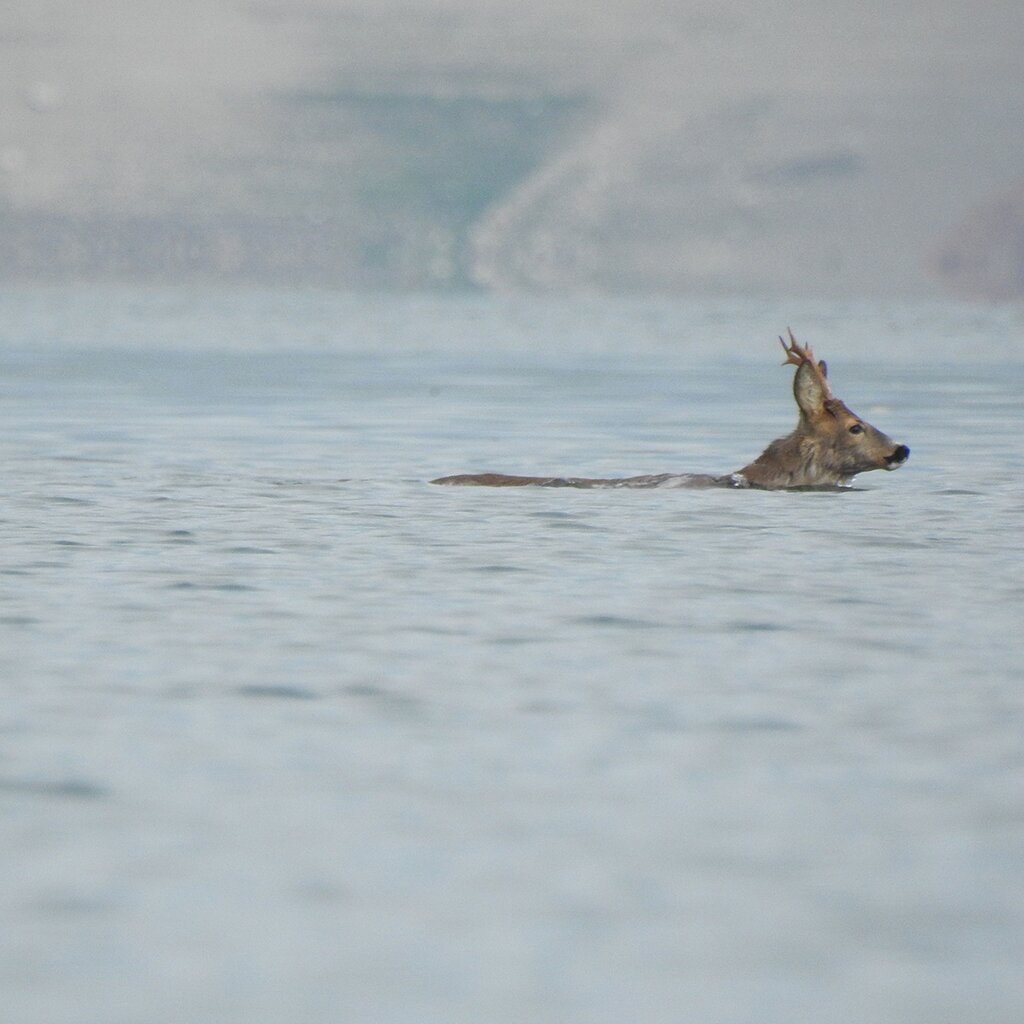
There are 4 species of breeding amphibians : the fire salamander, common toad, common frog, and edible frog. Of the reptiles, it is possible to see water snakes (Natrix tessellata, Natrix natrix), while the dry stone walls in the countryside around Cles are often breeding sites for green whip snakes and Aesculapian snakes. The local pine woods and forests of ash and black hornbeam are often home to smooth snakes, which closely resemble vipers (present as the asp and adder), from which they can be distinguished with difficulty by their more rounded pupils and longer tails. There are dozens of species of mammals, some well known (like roe deer) and others almost unknown (for example, lesser horseshoe bats) living in the territory around Cles.
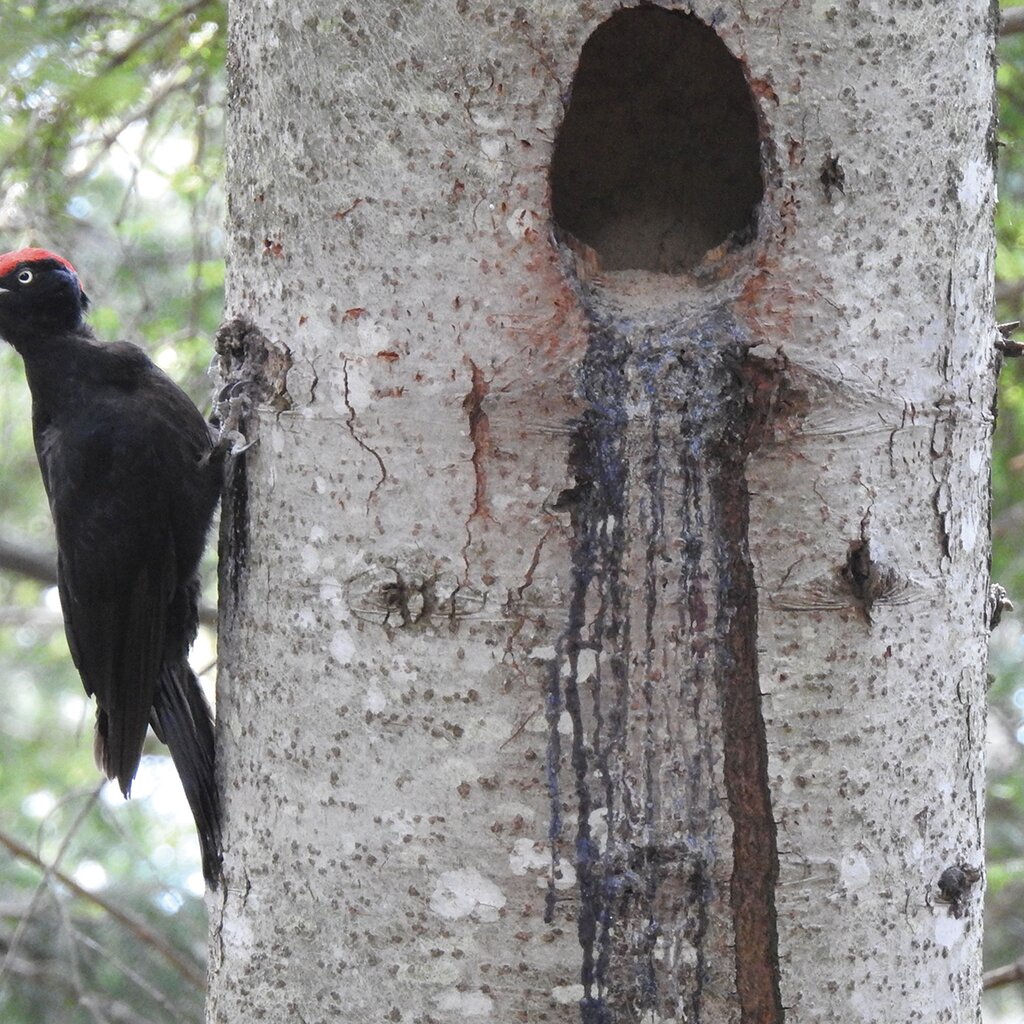
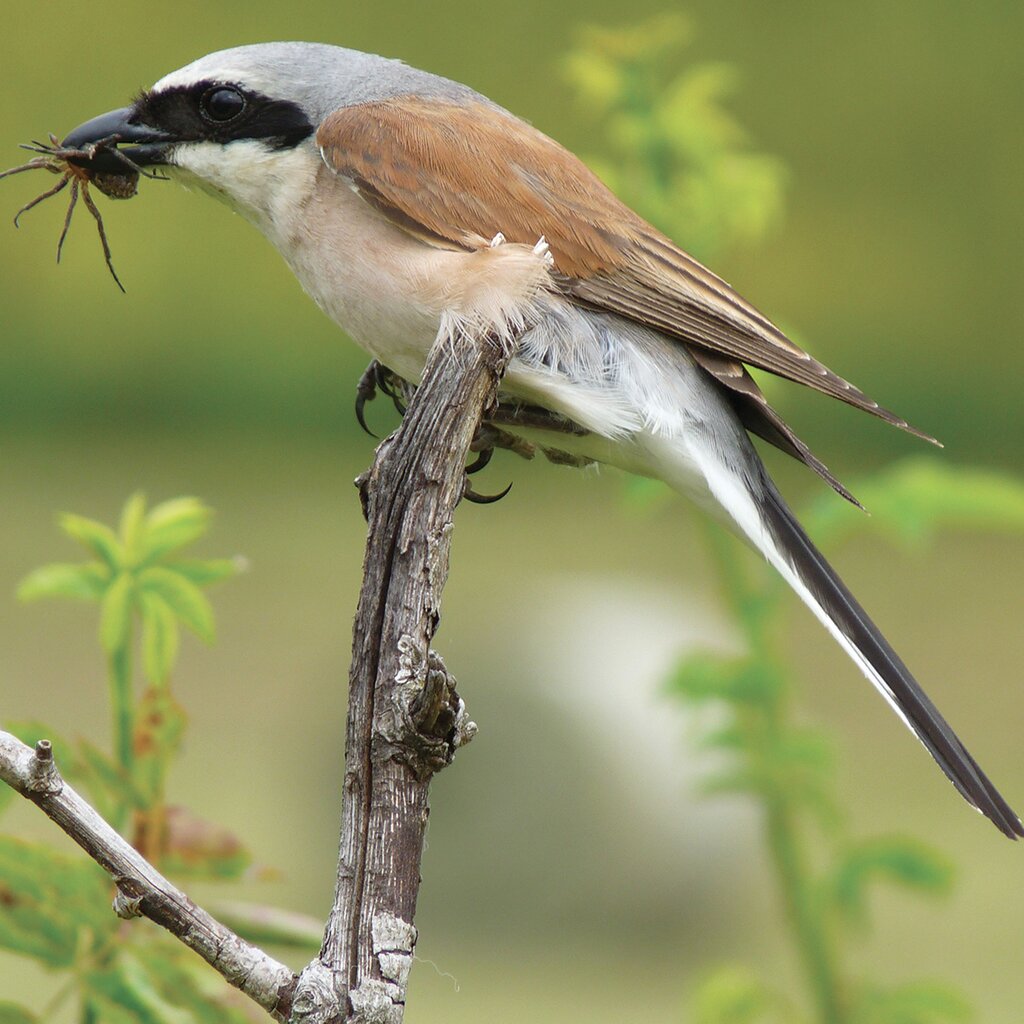
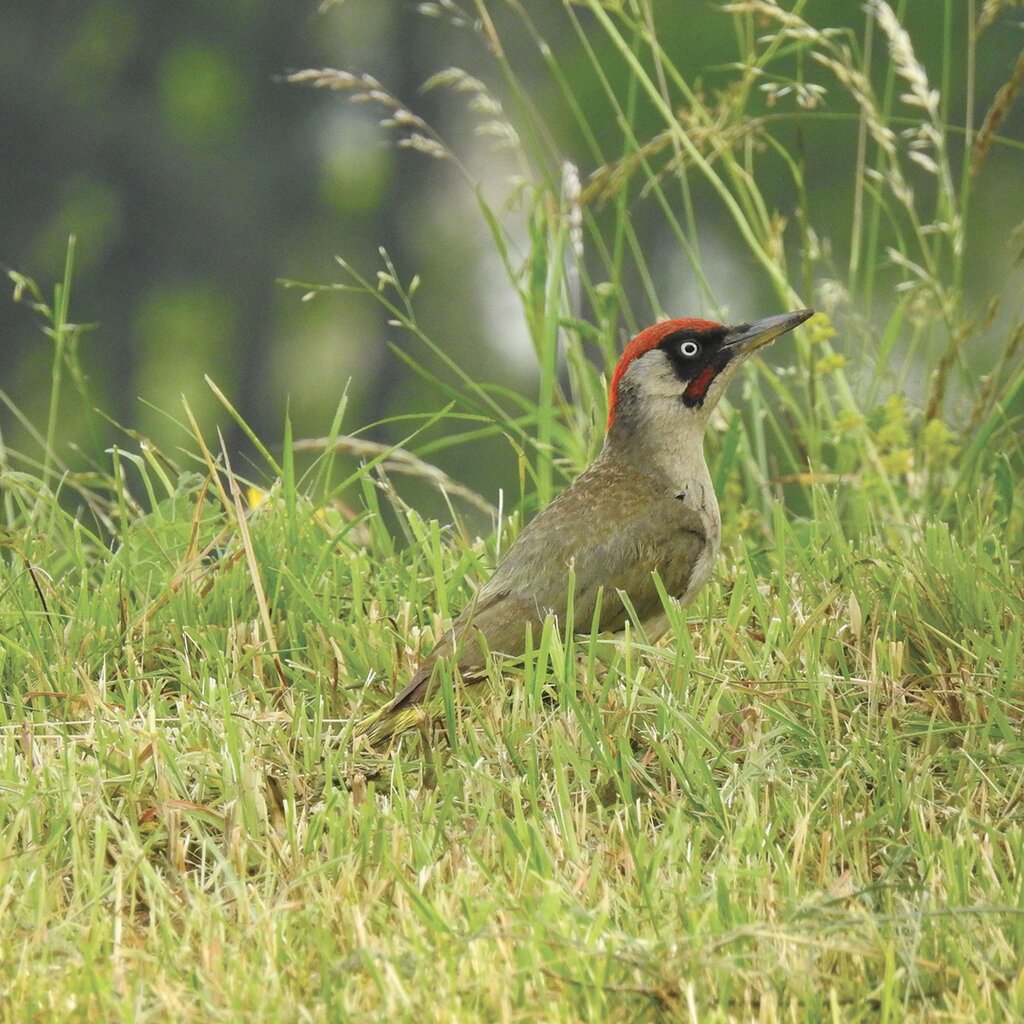
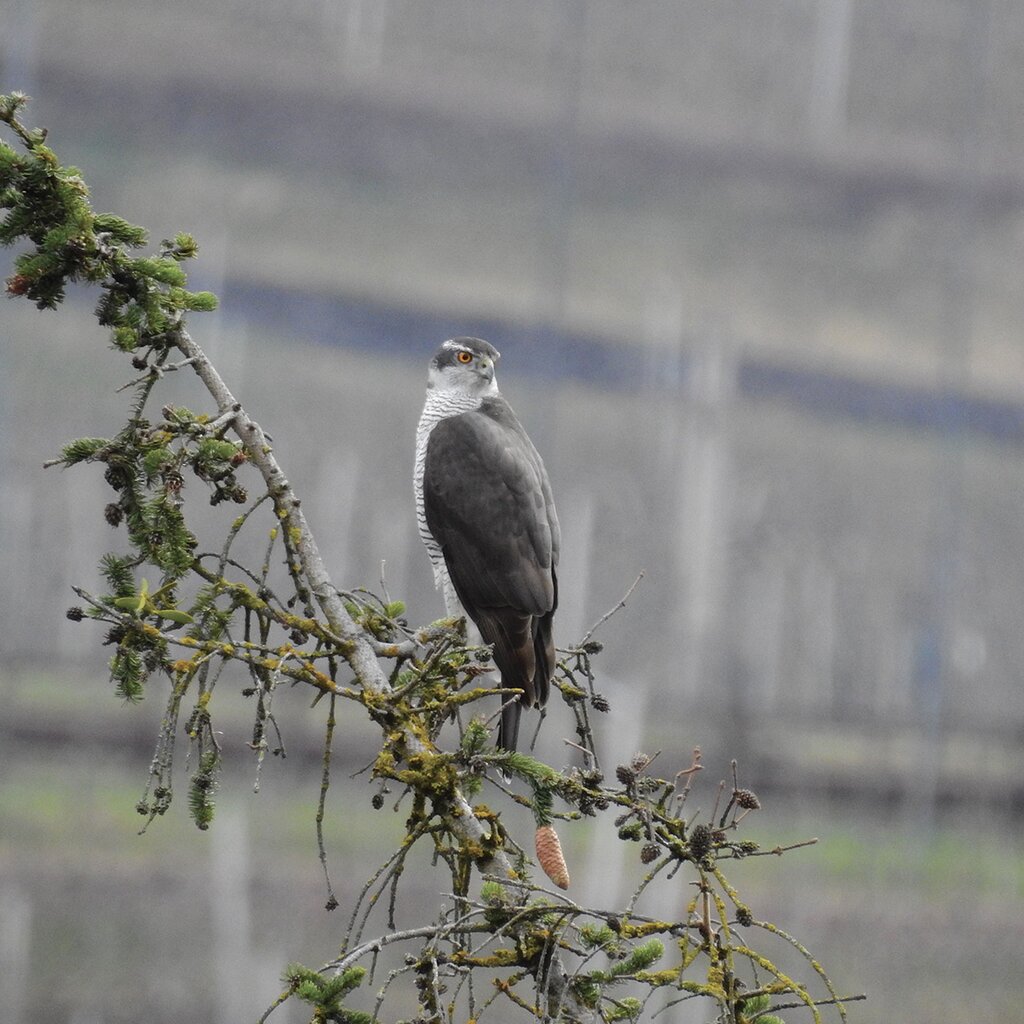
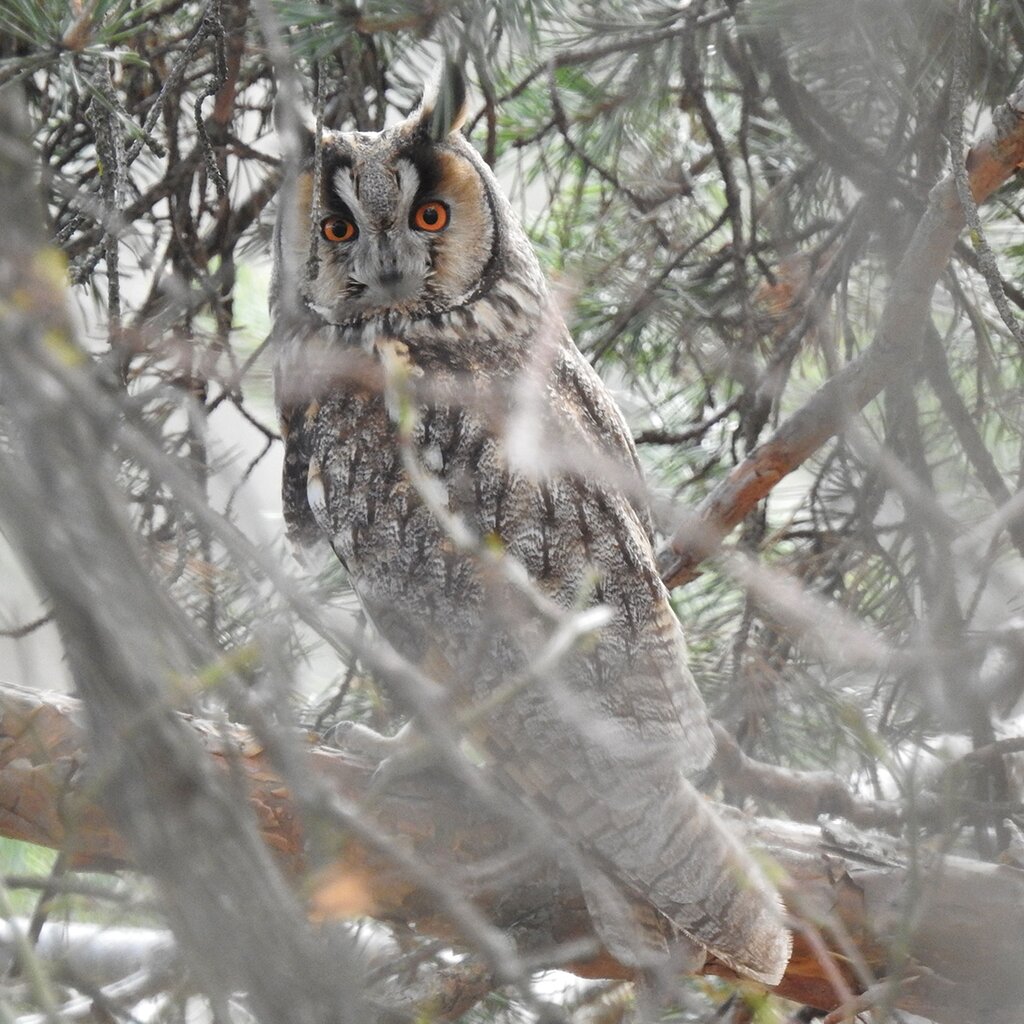
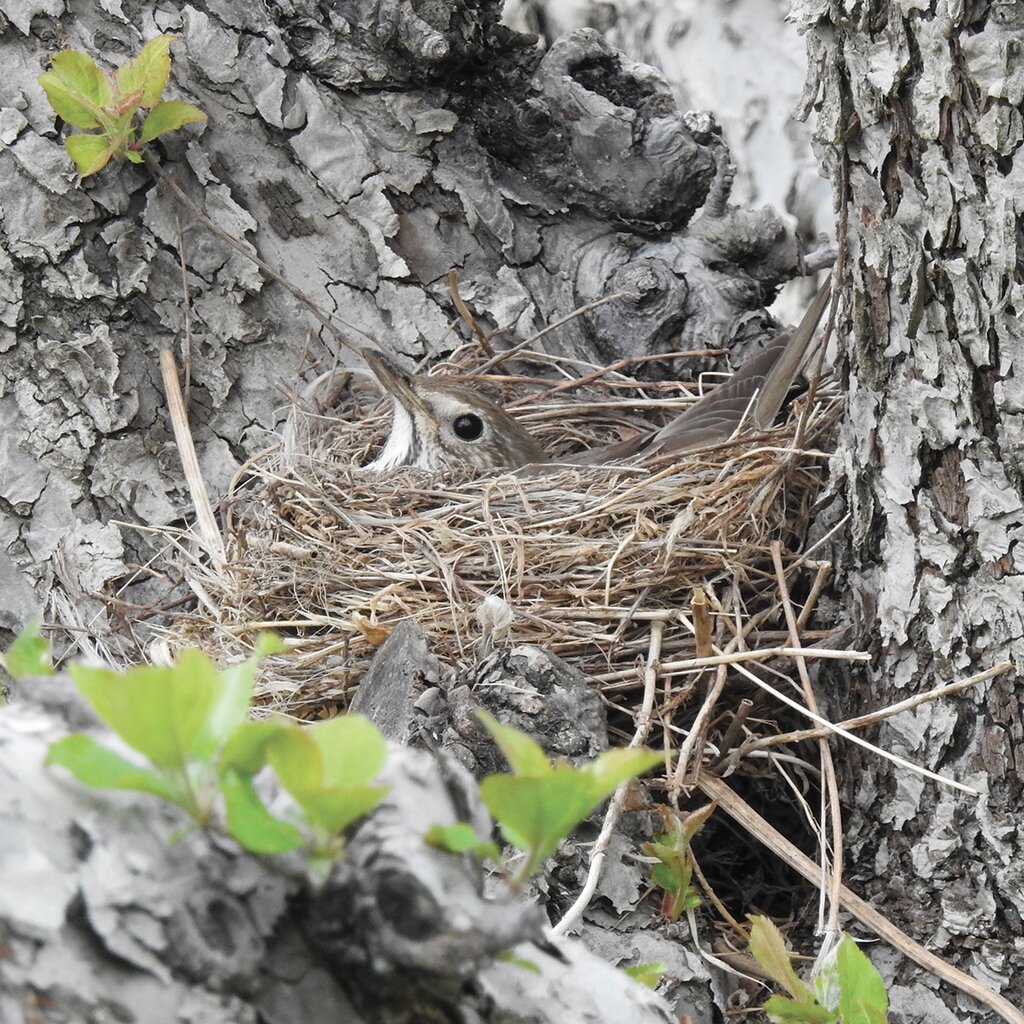
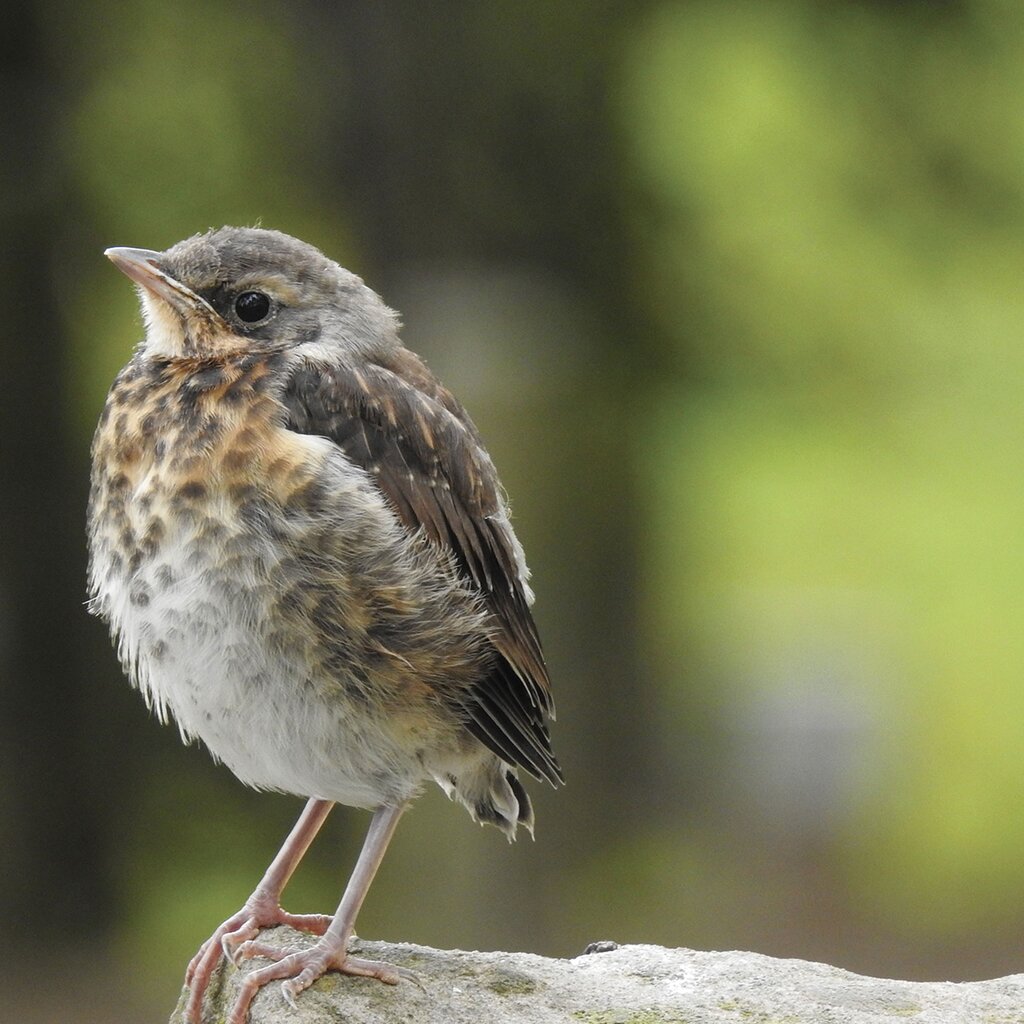
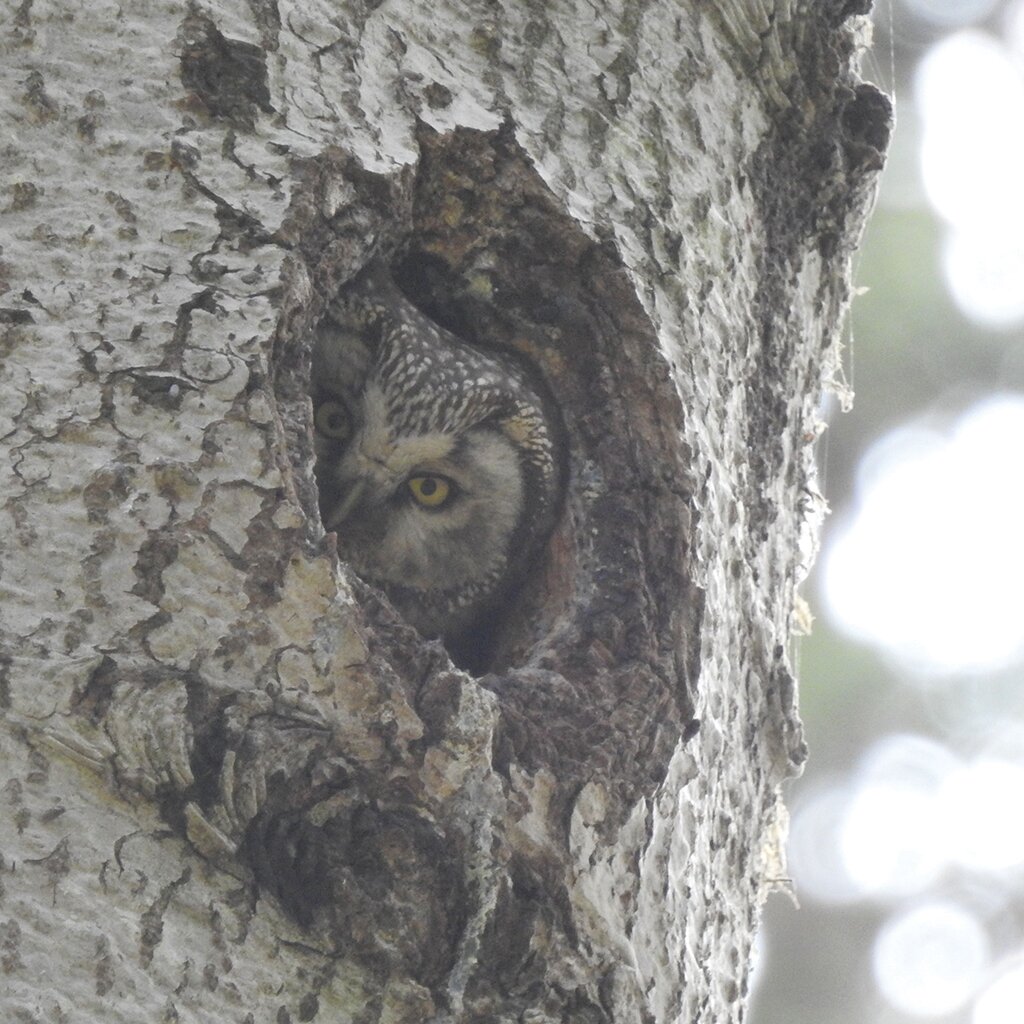
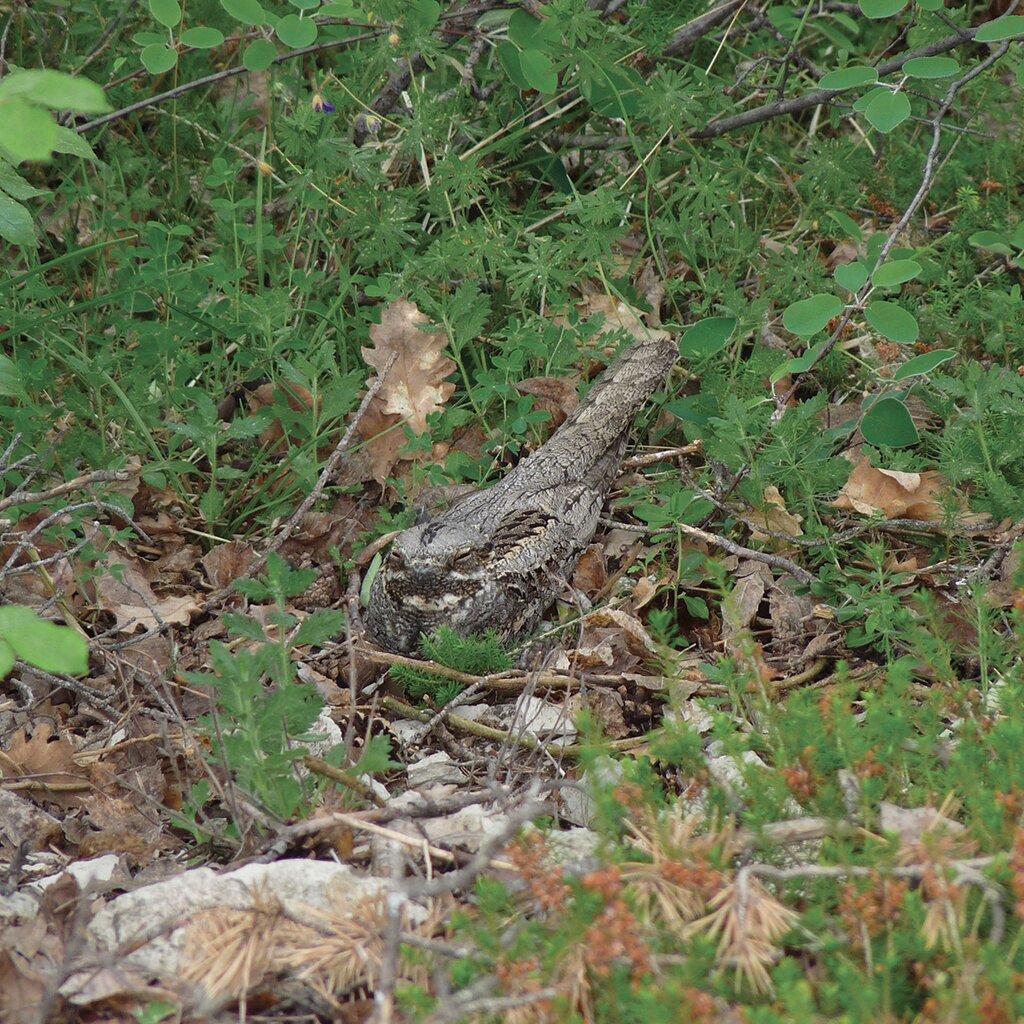
Over the course of the twentieth century the Alpine population of brown bears was brought to the verge of extinction. By the 1990s they were reduced to as few as just three specimens (no longer capable of reproducing) living in the eastern Brenta Dolomites. Between 1999 and 2002 an additional 10 bears were released (originating from Slovenia). Today bear tracks are found in many parts of the Local Council of Cles, all the way from the shores of Santa Giustina Lake (where the bears go frequently to feed and cool off) right up to the high meadows. There are about a hundred species of nesting birds that can be divided into into three main categories. Nesting long-distance migrants are birds that nest around Cles between April and August and then depart for Africa where they pass the winter across vast area, generally south of the Sahara. Among the best known examples are redstarts, swallows, swifts, red-backed shrikes, wheatears, and tree pipits. Nesting short-distance migrants are nesting birds that overwinter in places closer to Cles, although possibly still travelling as far as North Africa. Examples include song thrushes, numerous true finches, and warblers. Resident birds are those that “choose” to remain within the local Cles area throughout the year, at most making minor changes in altitude. Some typical residents include the Galliformes, woodpeckers, golden eagles, and numerous other diurnal and nocturnal raptors.