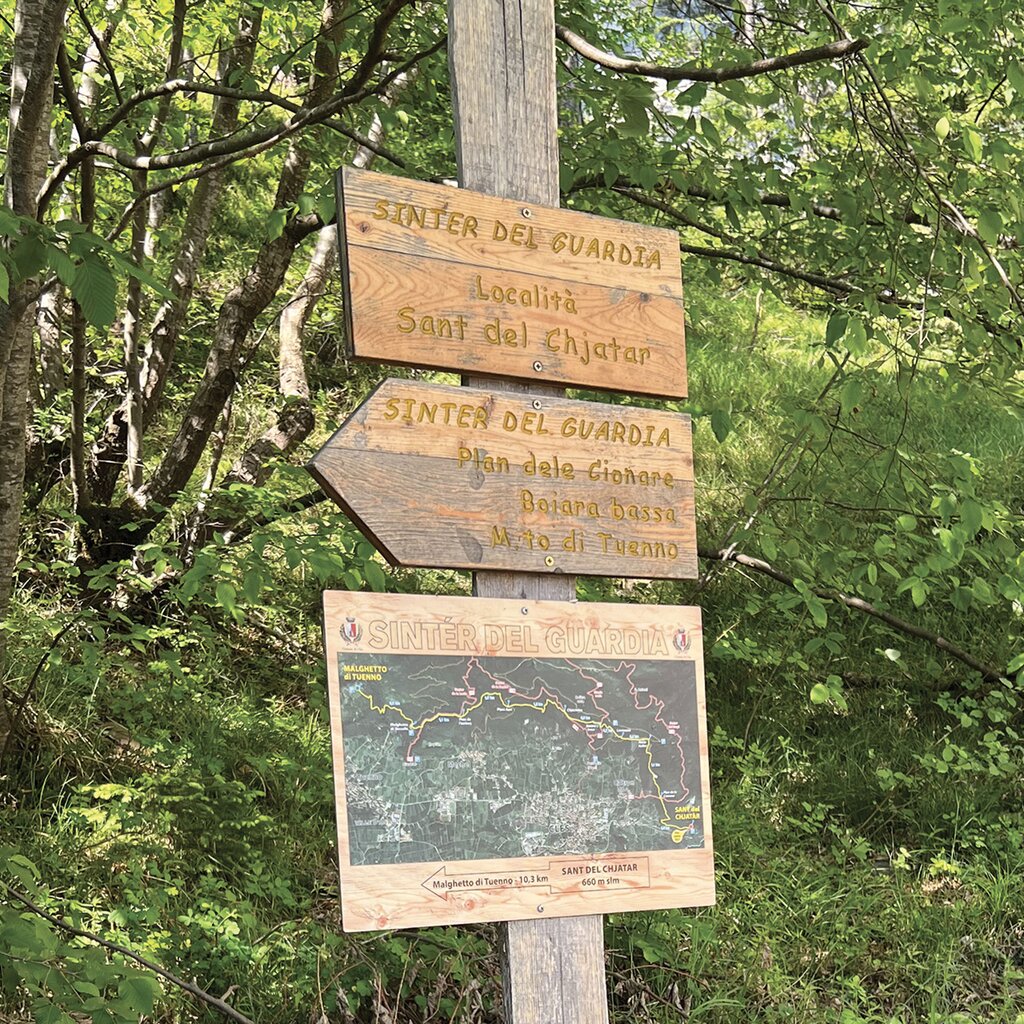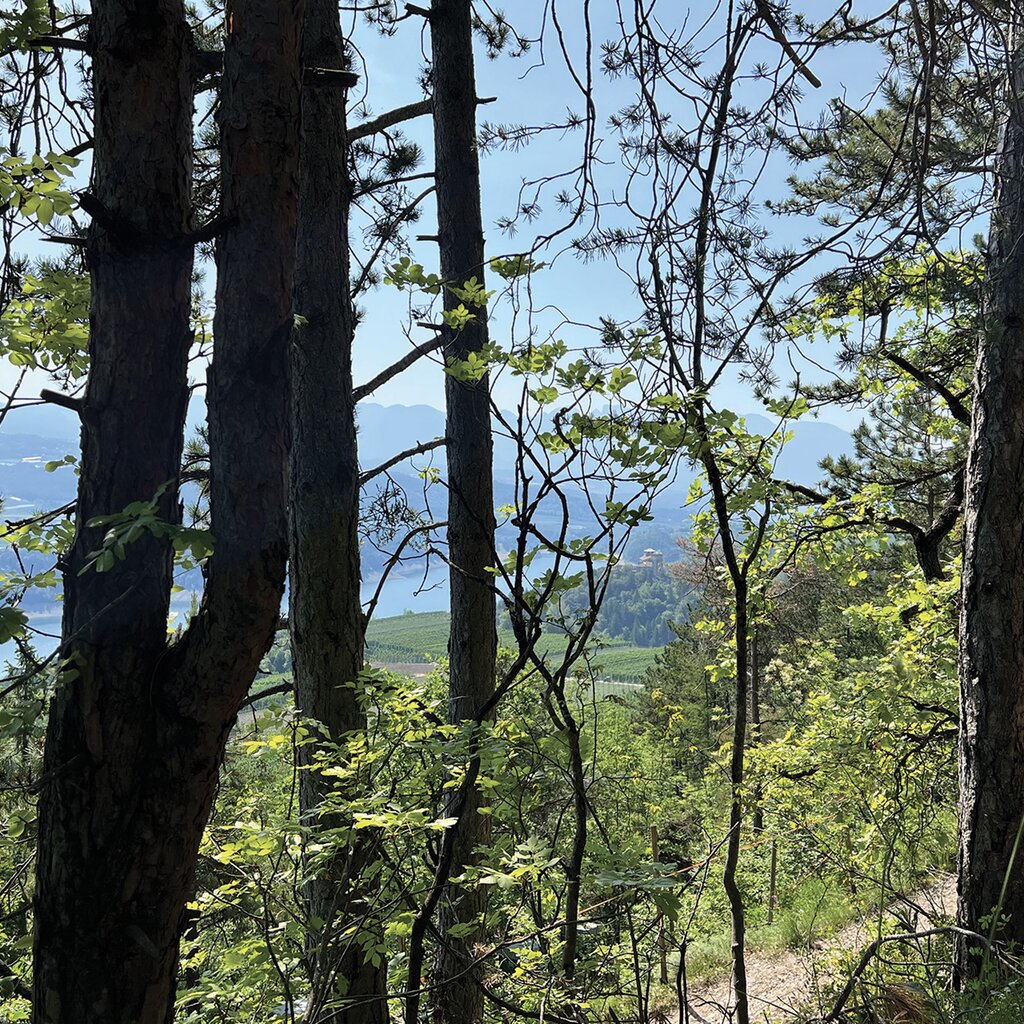

The "Guardia" pathway is a wonderful walk in the forest leading from the suburb of Dres to the Church of Santo Crocifisso in Faè.
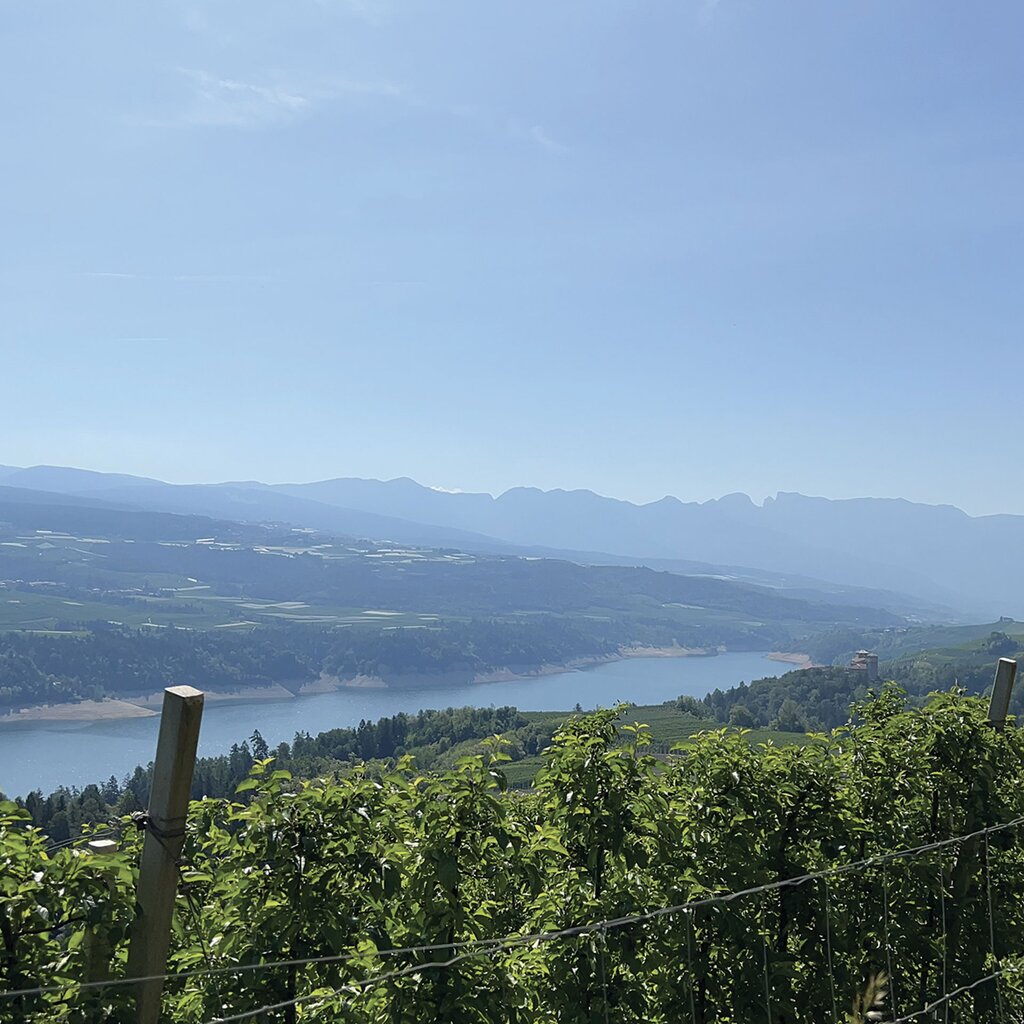
This route can also be cycled on a mountain bike and gives splendid views of Castel Cles and over Lake Santa Giustina.


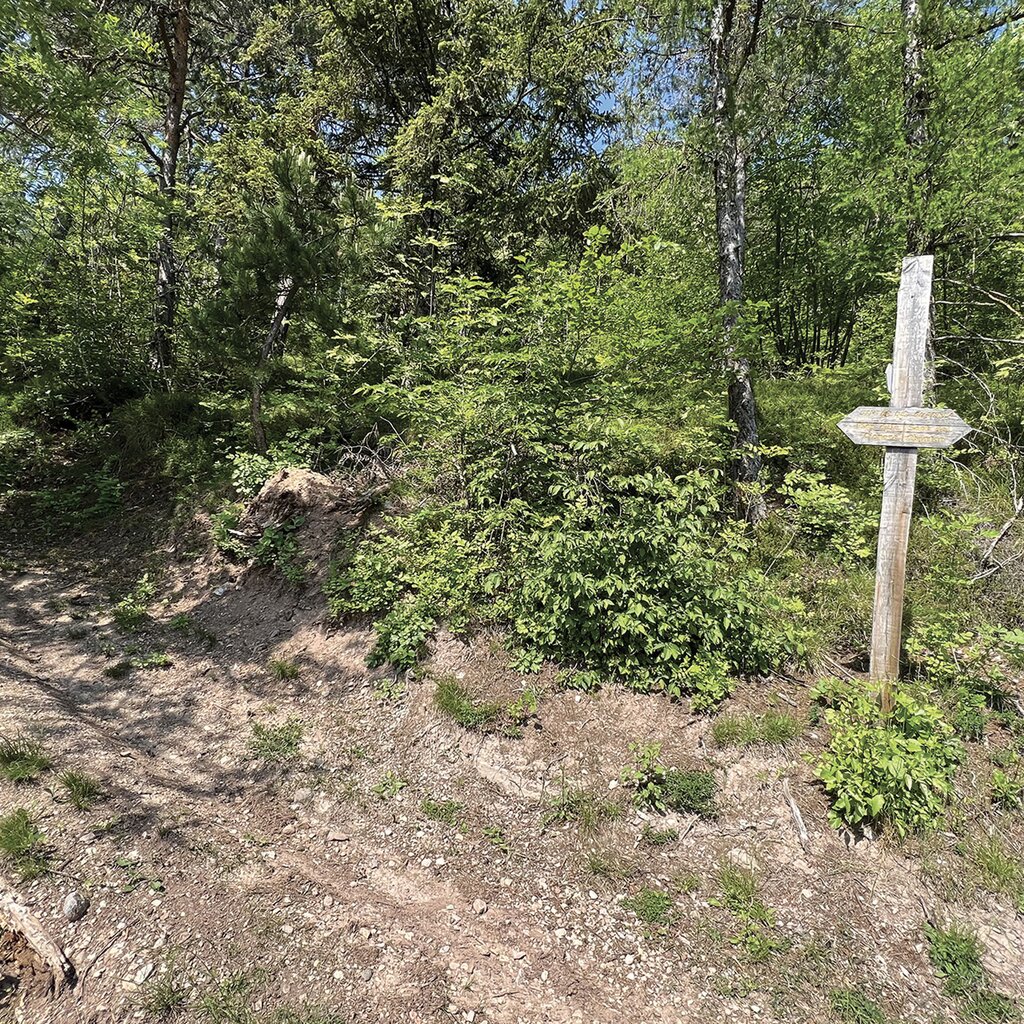
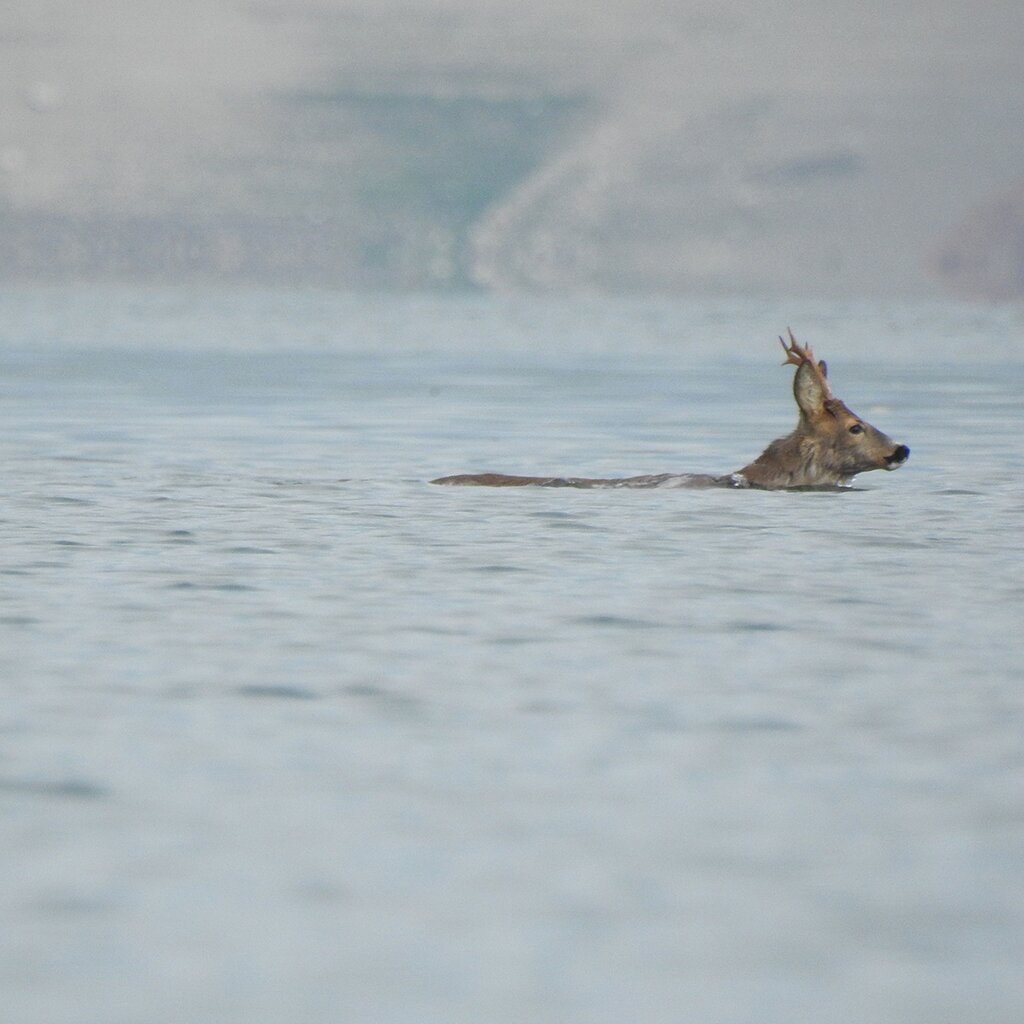
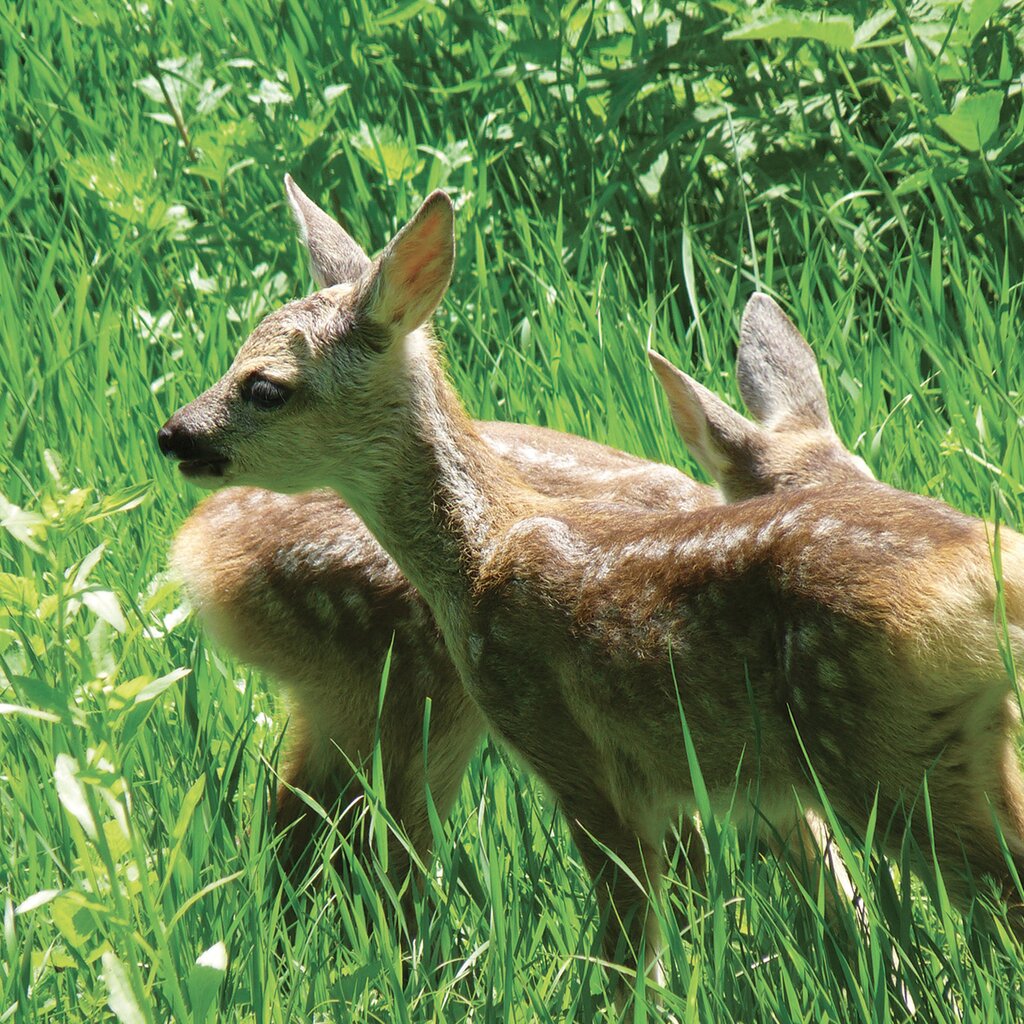
There were specific tracks for dragging tree trunks downhill with specially equipped areas where it was easy to transfer the logs from the ground onto carts to complete the transport on wheels to the final destination. There were other so-called “minor” paths that wound their way up across the steepest slopes, used for purposes like hunting, not to mention poaching and the associated regulatory controls. A good example is the “Sentiero del Guardia” (“Rangers' Footpath”), a path used mainly for hunting and regulating the same, which, thanks to the intuition of Adriano (a retired hunting ranger) and the help of numerous volunteers who believed in him, has recently been completely restored. Lack of use over recent decades had rendered it almost invisible and overgrown with vegetation. The route, which mountain bikers would define as "single trail", is a very narrow path, unobtrusive, and very respectful of the natural landscape that it passes through, including woods of pine (European red pine and black pine), beech and ash, black hornbeam, and downy oak. The route winds between Caltron and Malghetto di Tuenno passing through some open sections (small meadows and recreational areas) near Vergondola, lower Boiara, and the vast meadows created by farmers around Malghetto di Tuenno. This path can be considered a “wilder” alternative to the lower lying Dolomiti Brenta Bike route. All the reasons outlined above also make this an ideal area for observing wildlife, in particular ungulates (roe deer, red deer, and occasionally mouflon). In summer and autumn it is very common to see the characteristic scats (excrement) of brown bears, almost always containing apple skins, stalks, and pips.