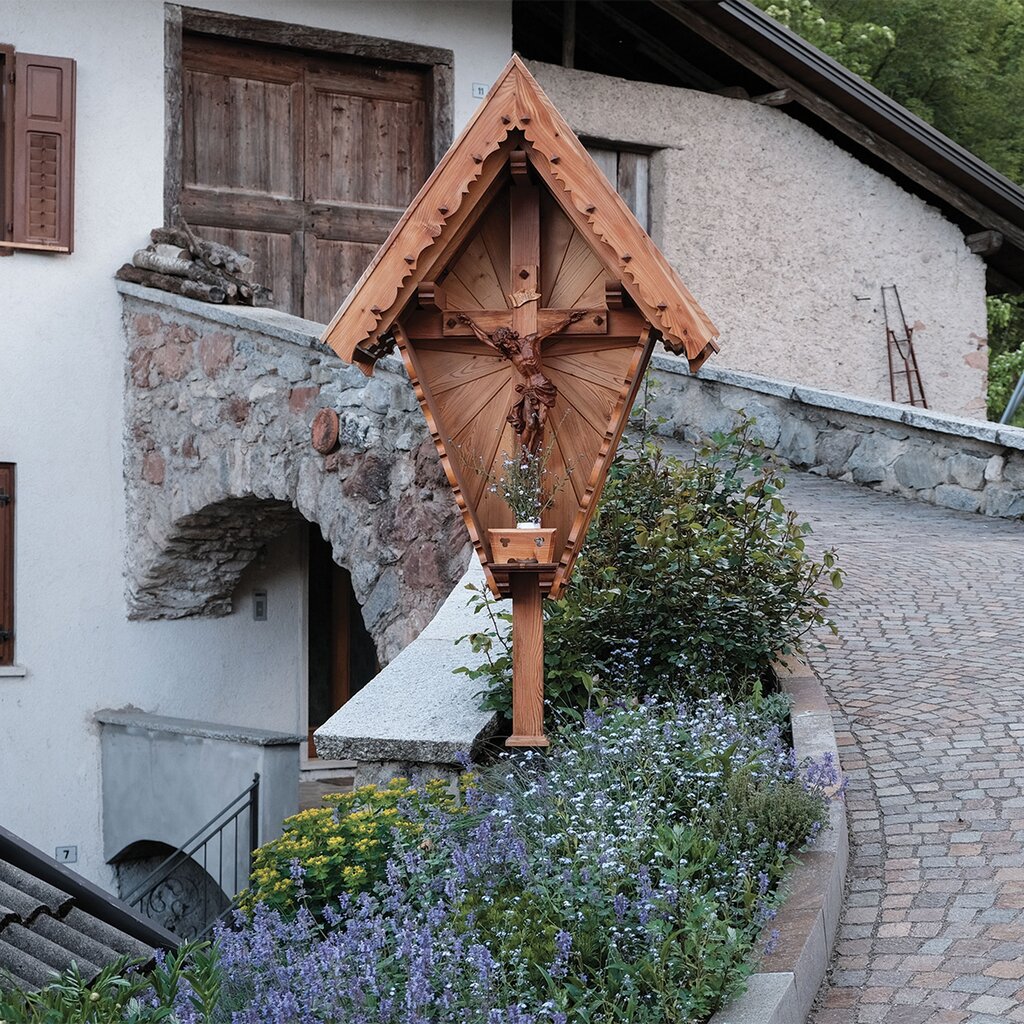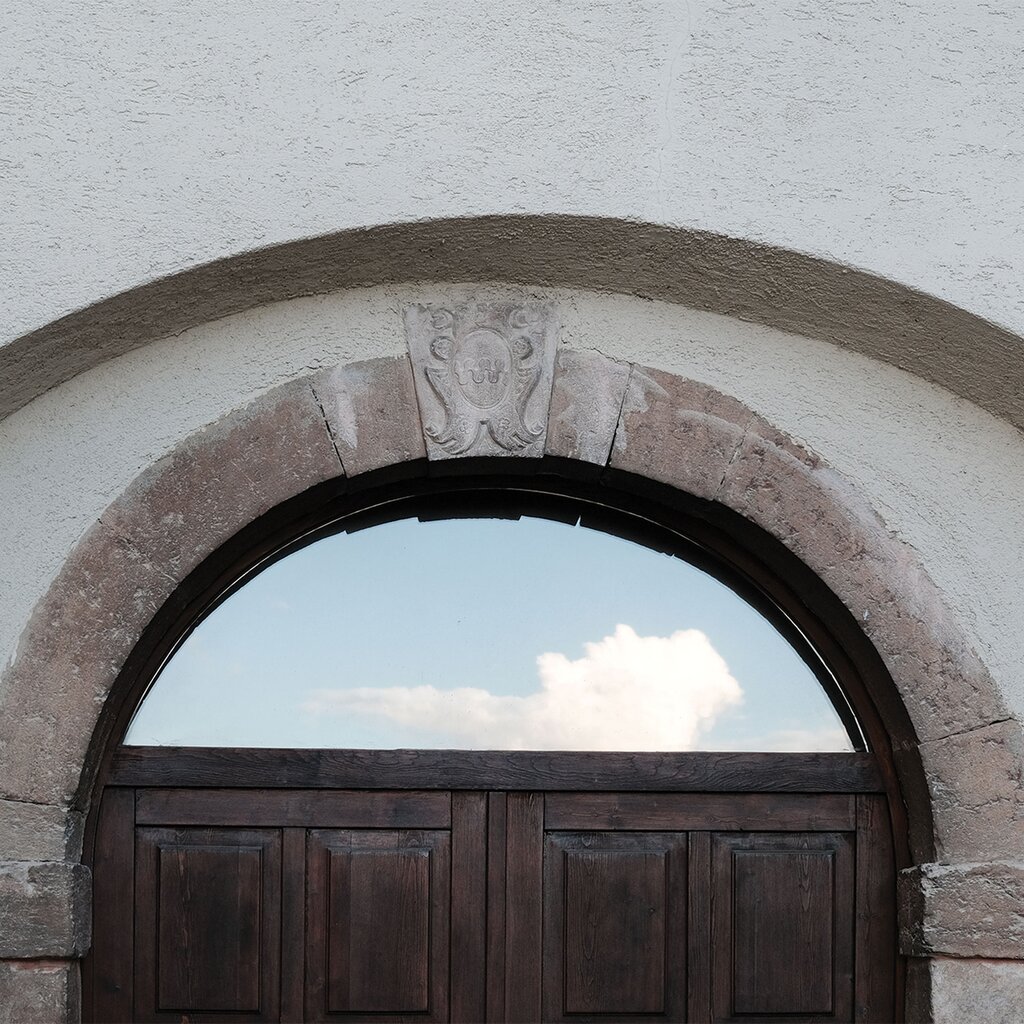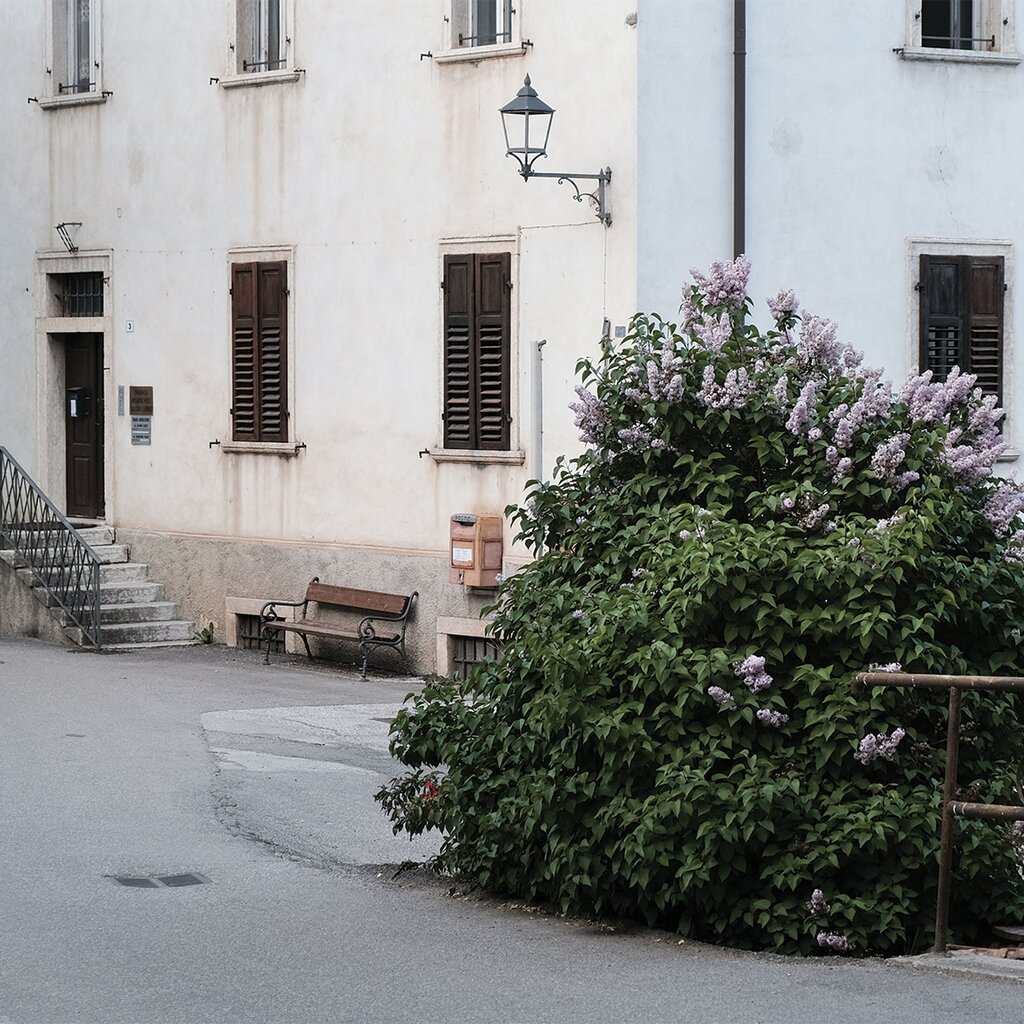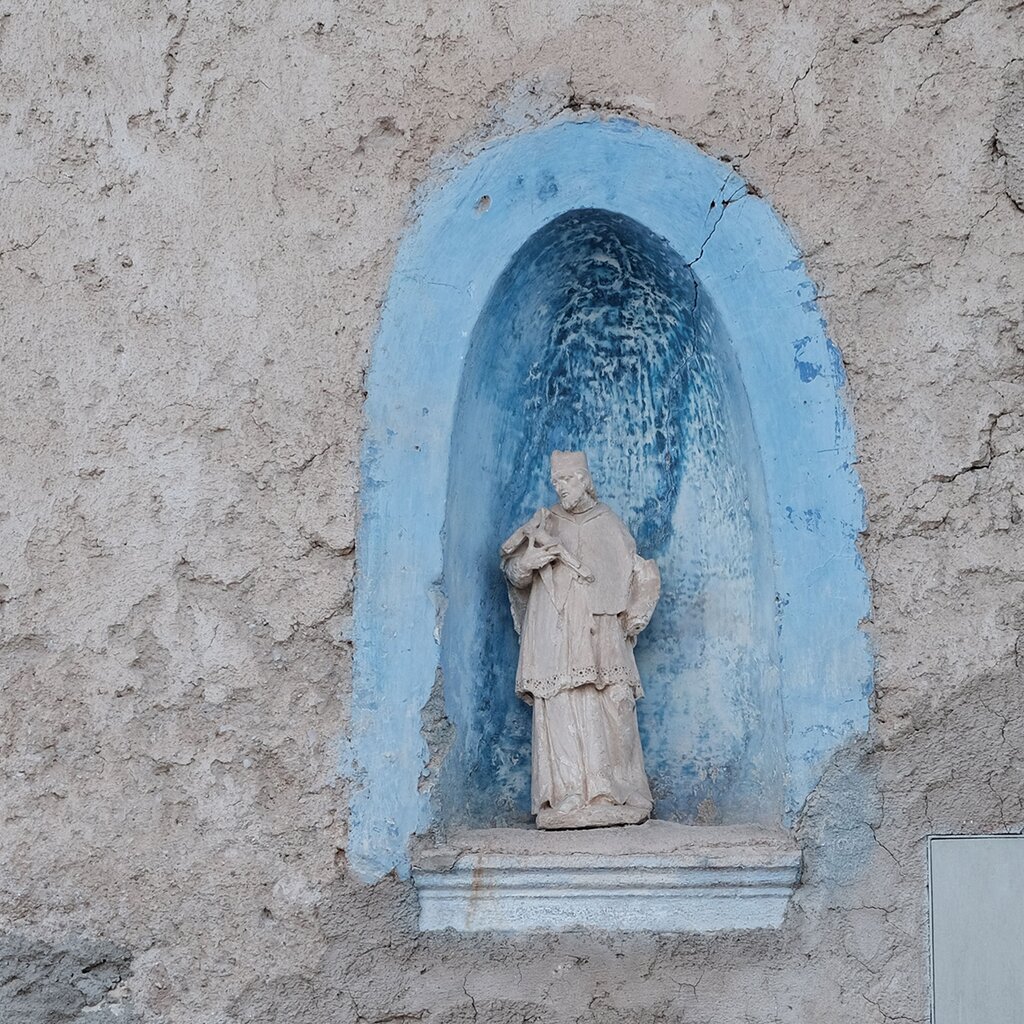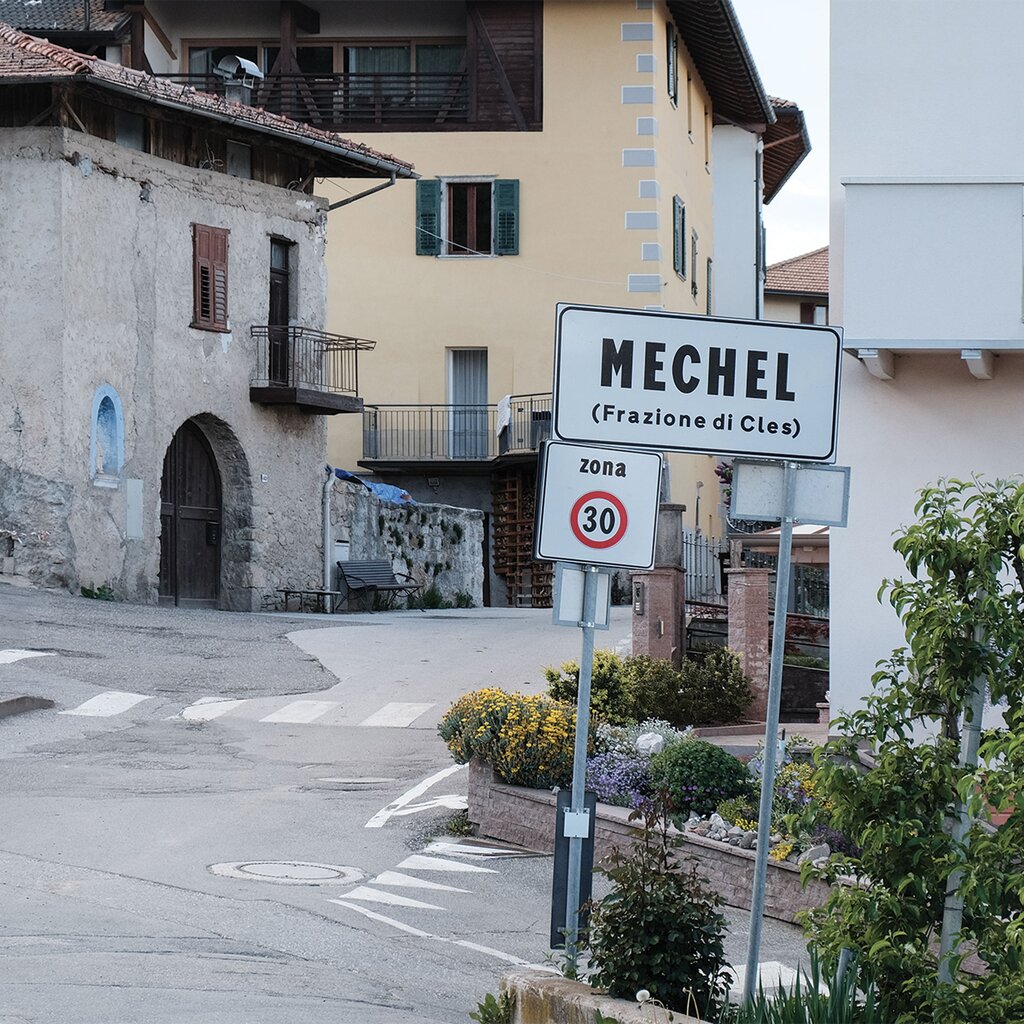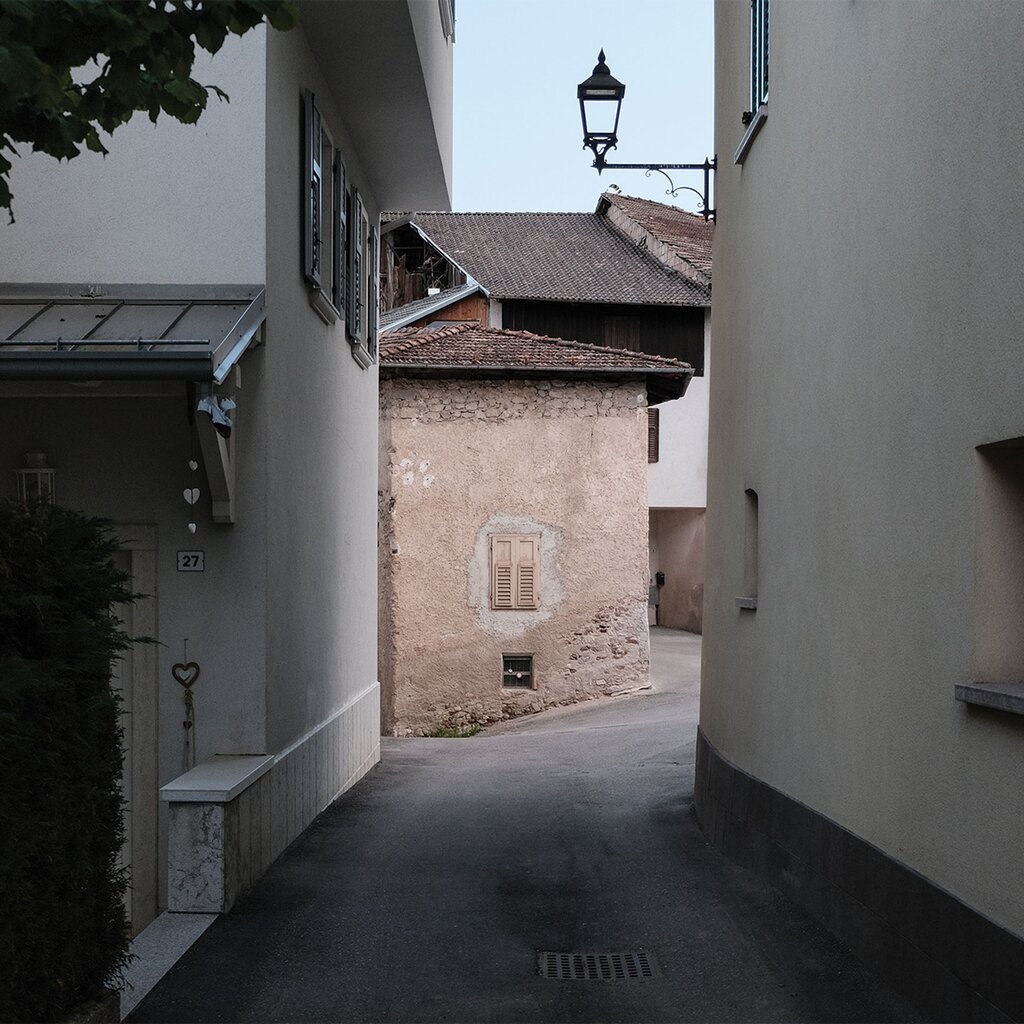
Mechel has an important history linking the town back to extremely ancient origins, originally much lower down in the valley, almost on the shore of the ancient lake of Santo Spirit.


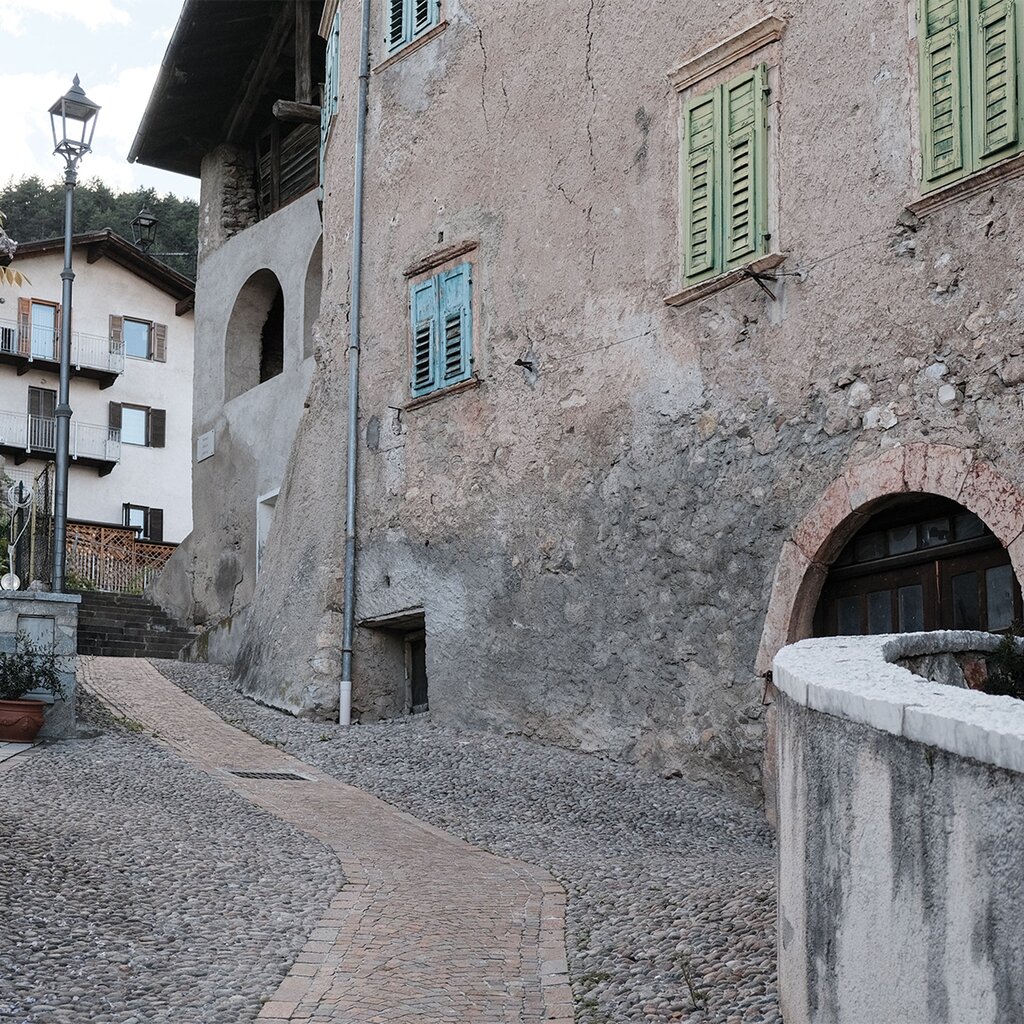
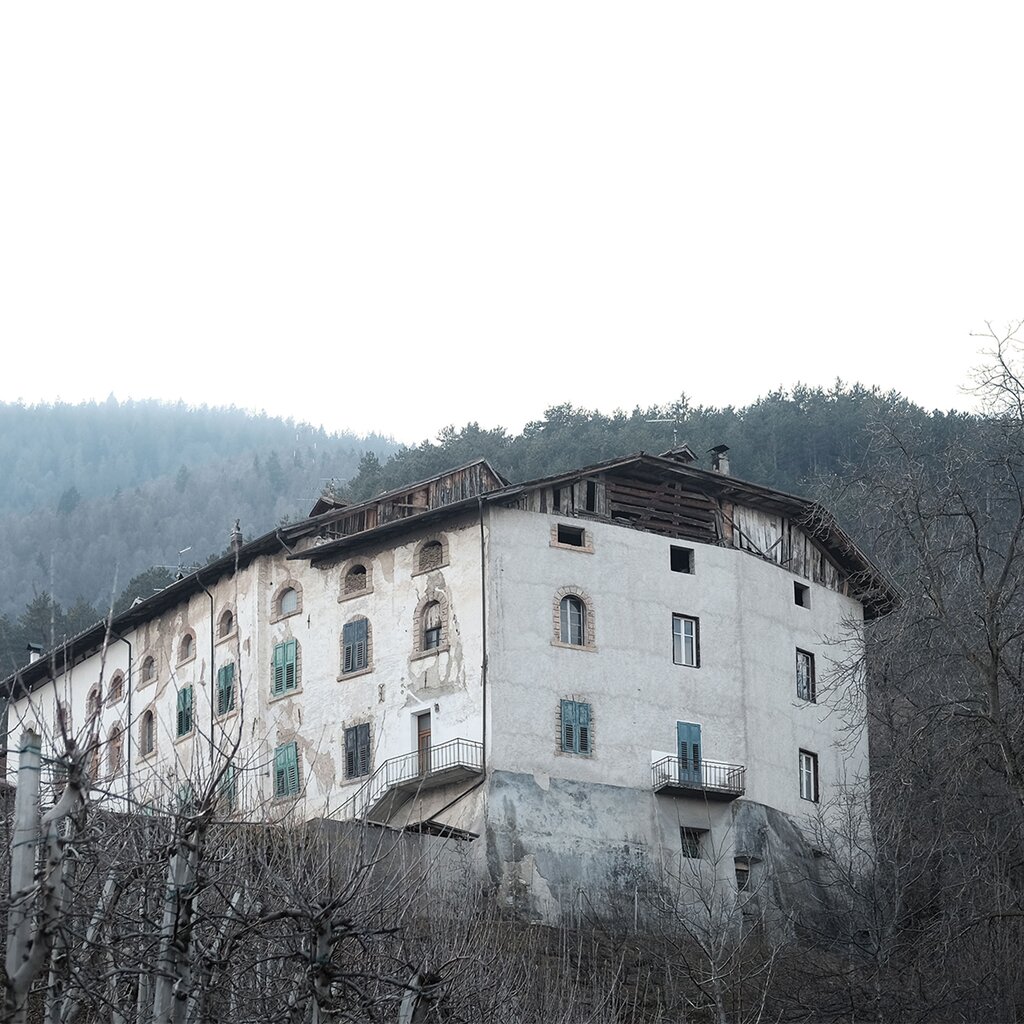
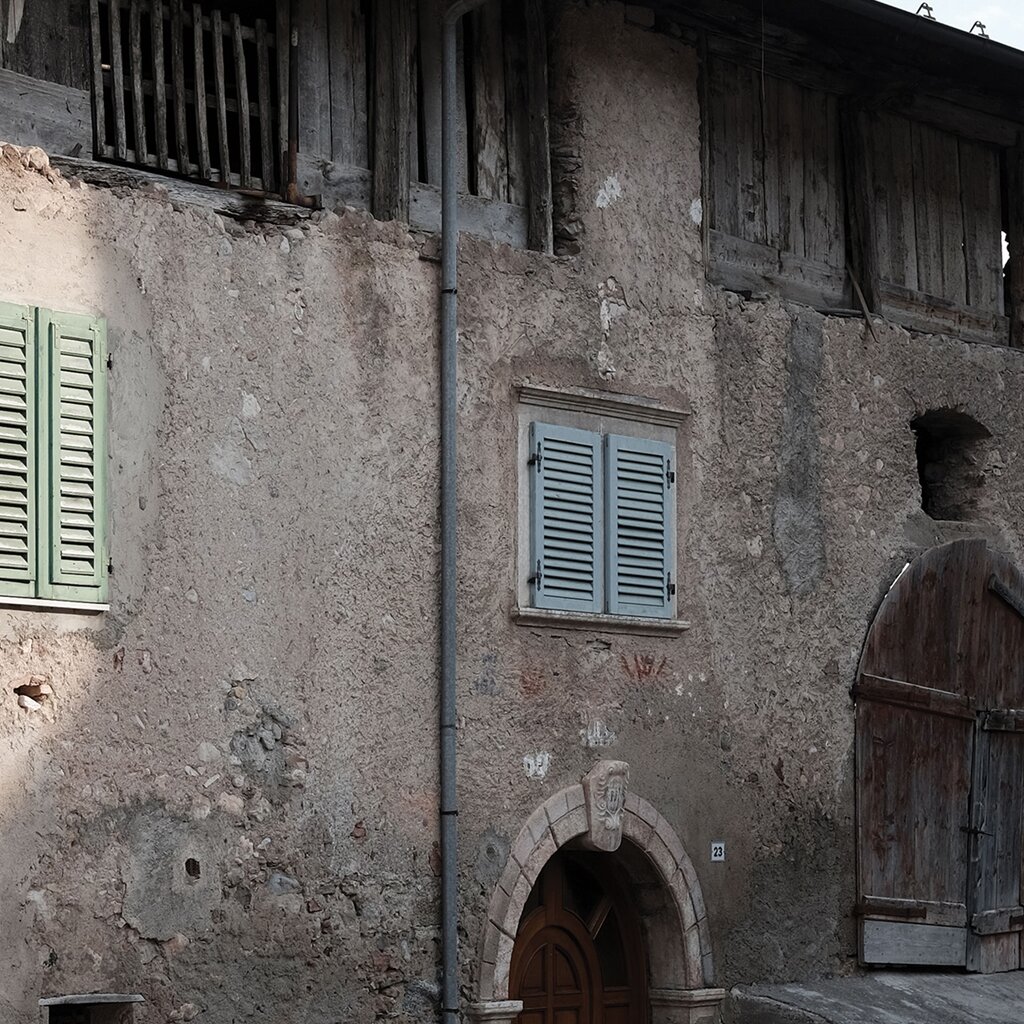
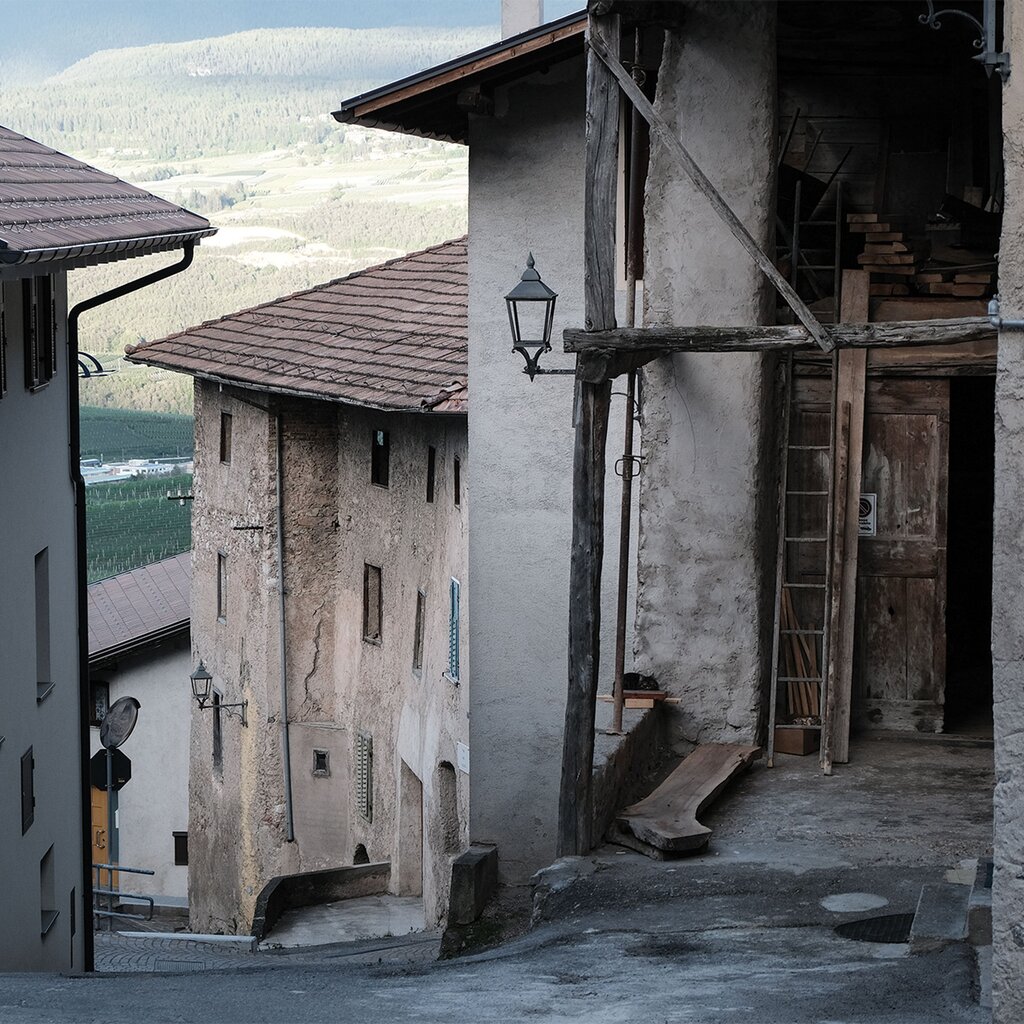
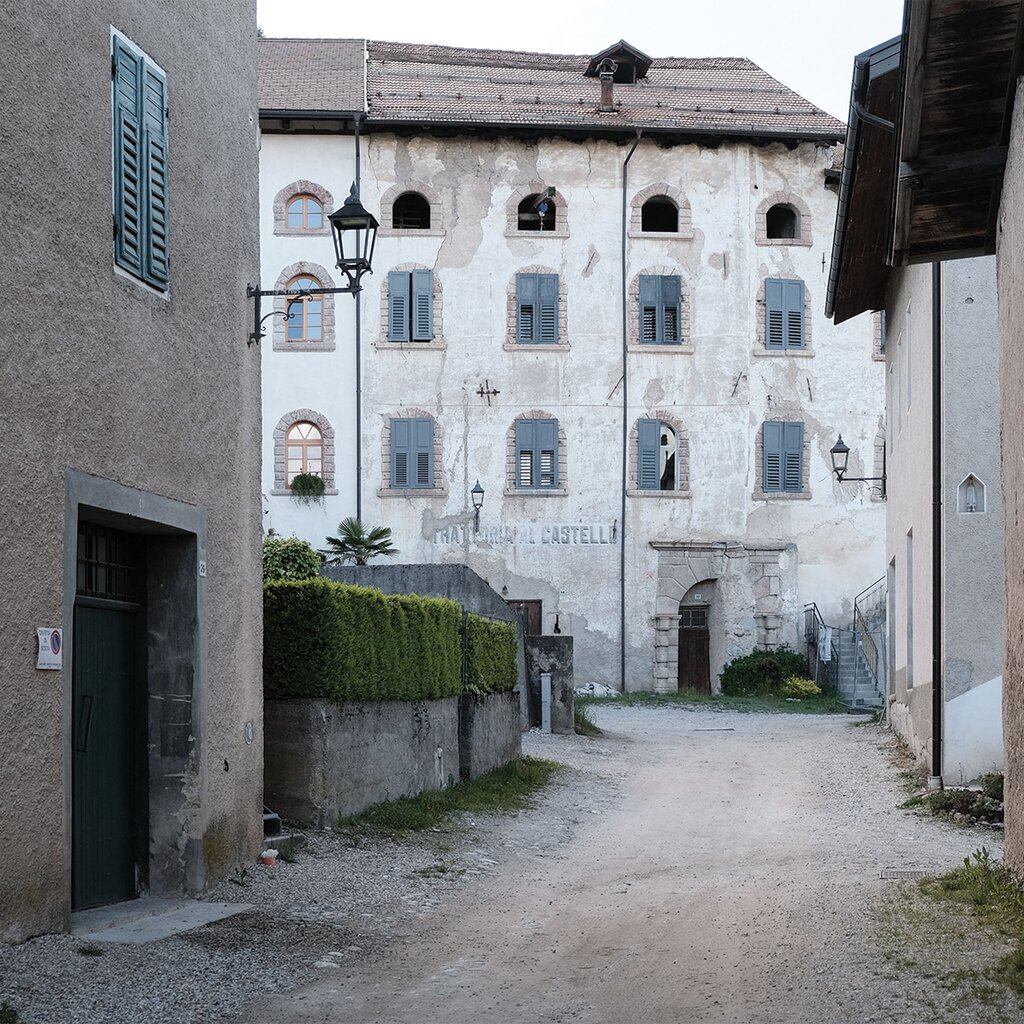
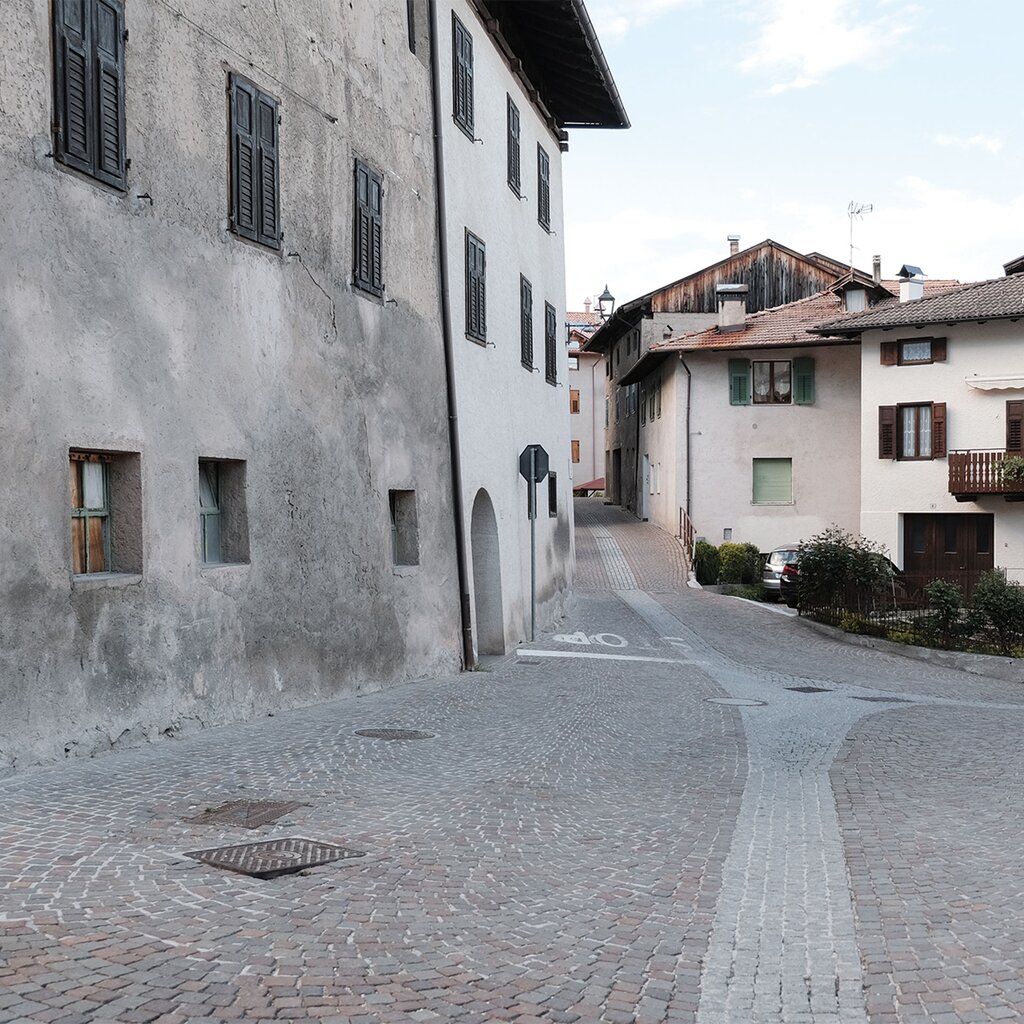
It used to guard the road that continued on to Cles, but over the centuries this was abandoned for a more fortified position, perhaps for typical Medieval reasons of defence and control, or maybe due to unhealthy local conditions. The Medieval period certainly gave the settlement its current linear imprint, extending along the road from Talào that climbs up above the Paludi [marshes]. The buildings are concentrated in the zone along the slope that catches the most sun, obliging a stepped arrangement along two parallel horizontal roads. The road used to descend back down towards Cles through the Caralla area (a place name cited in 1396) meeting Via Lampi close to the Convent. It also connected to the surviving old road, which entered the town along the current Via Diaz. The S.P. 73 road dates back to the 1600s after the draining of Paludi by the Emperor to eliminate stagnating areas of marsh that caused significant health problems, but the road still effectively followed an old well established route. Mechel provides an excellent lookout position over the land and a little higher up there used to be the fort of Sant’Ippolito, an old defensive structure. It was destroyed in the 1400s during the peasant revolts and replaced by the current Castel Firmian, which is again located in a strategic position but appears more like an attractive stately home than a fortress. The Medieval period saw the construction of the San Lorenzo church, joined in the 1500s by the new dell'Assunta parish church following the architectural lines of the Clesian Style that had recently been experimented in the homonymous arcipretal church in Cles. The village also has some interesting old residential buildings which, though maintaining a prevalently rural appearance and function, also present a degree of architectural elegance in some cases of genuine interest. The village centre also used to have a mill that exploited the invaluable power of a stream to provide local families with an essential service. Mechel remained an autonomous council until 1928 when it was untied to Cles during the Fascist period, although always maintaining its own land registry identification. While in other cases the original local councils were later restored, Mechel remained incorporated into Cles though always with its own territorial and community identity: today it is the largest, most extensive, and clearly identified suburb.