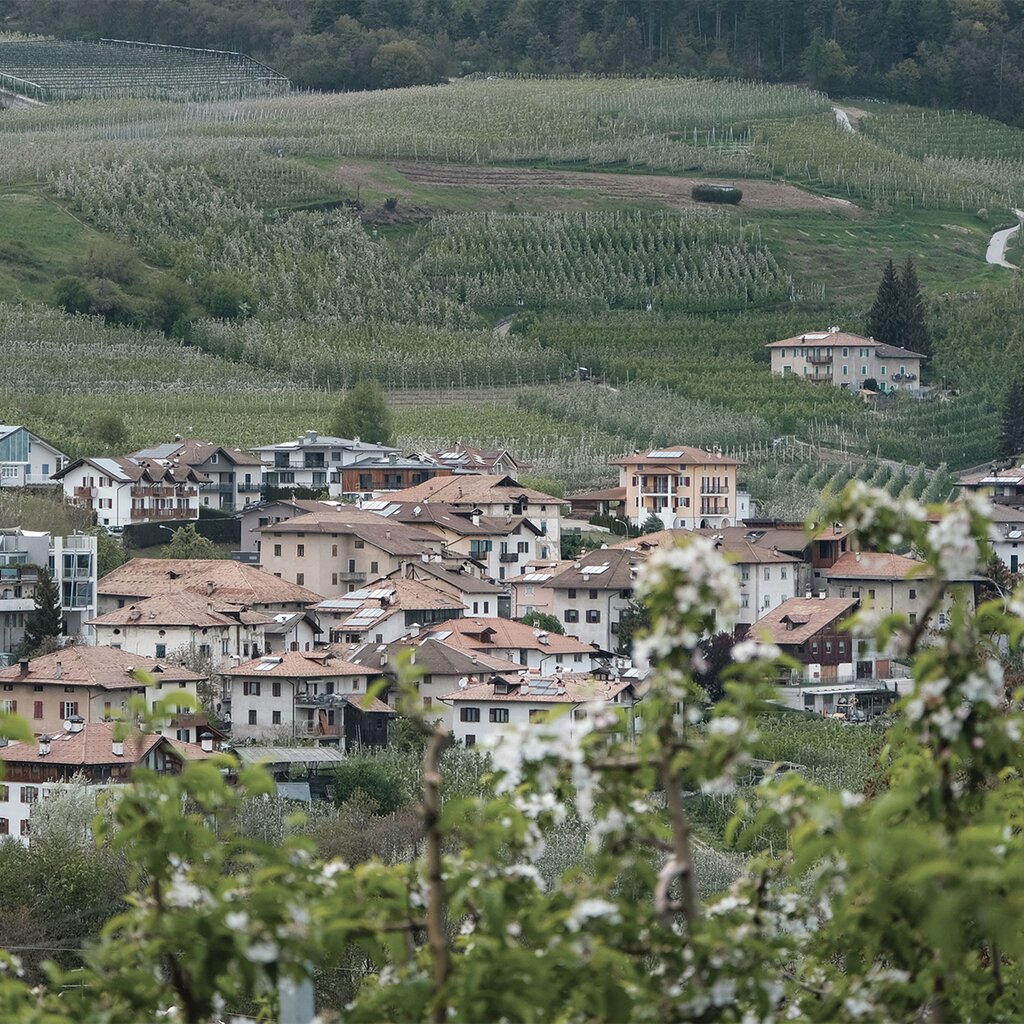
Arriving from Cles you descended into the little valley of Rio Dres and after crossing the waterway you can climb back up to the village and continue on towards Val di Sole, going through Faè and traversing round the Mostizzolo canyon to reach Ponte Stori, where you can finally cross the Noce River at the most favourable point.


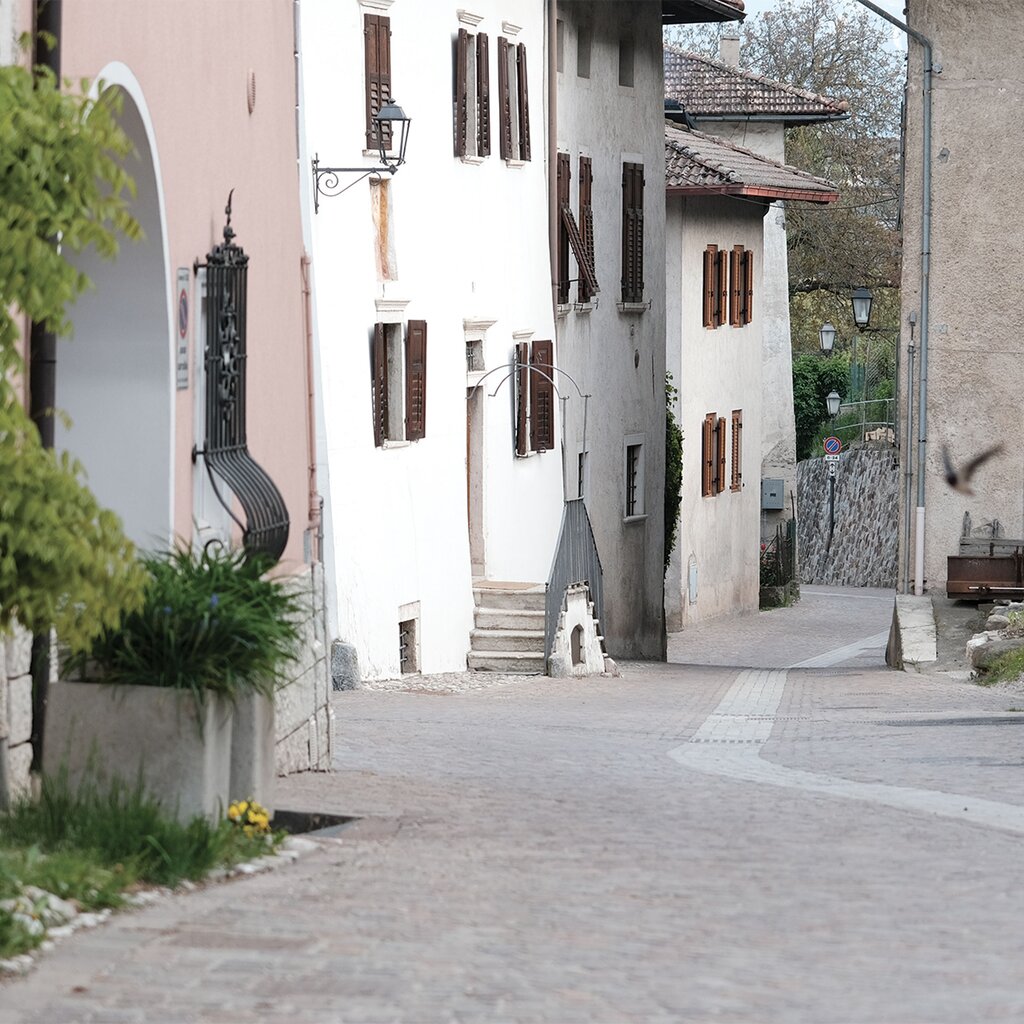
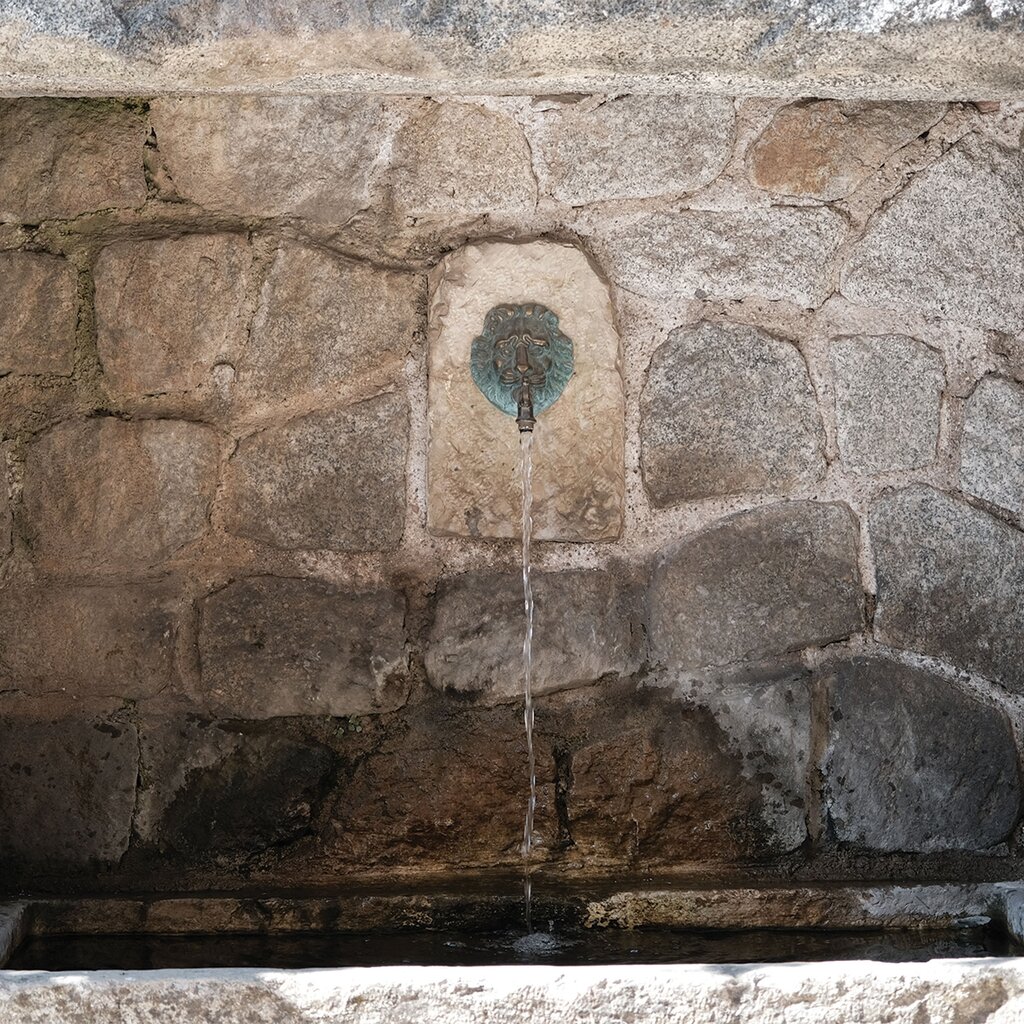
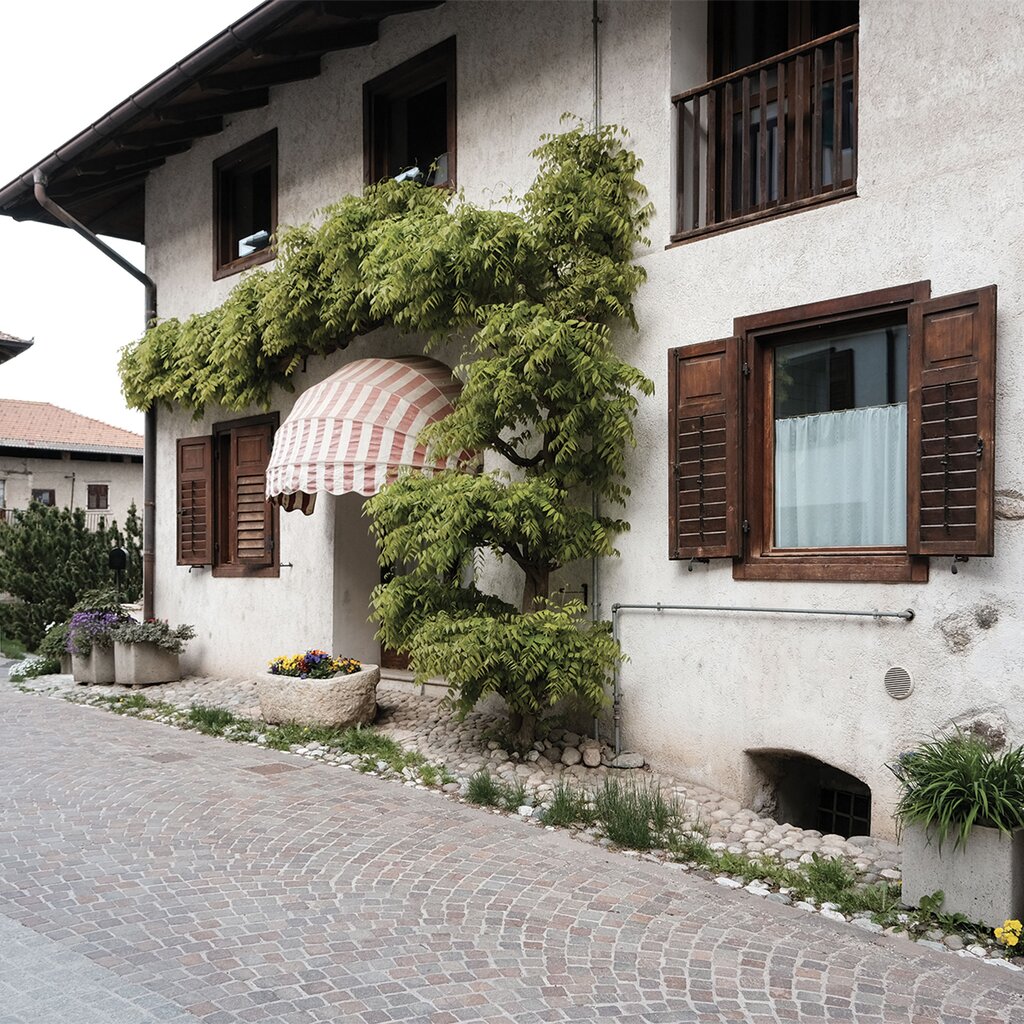
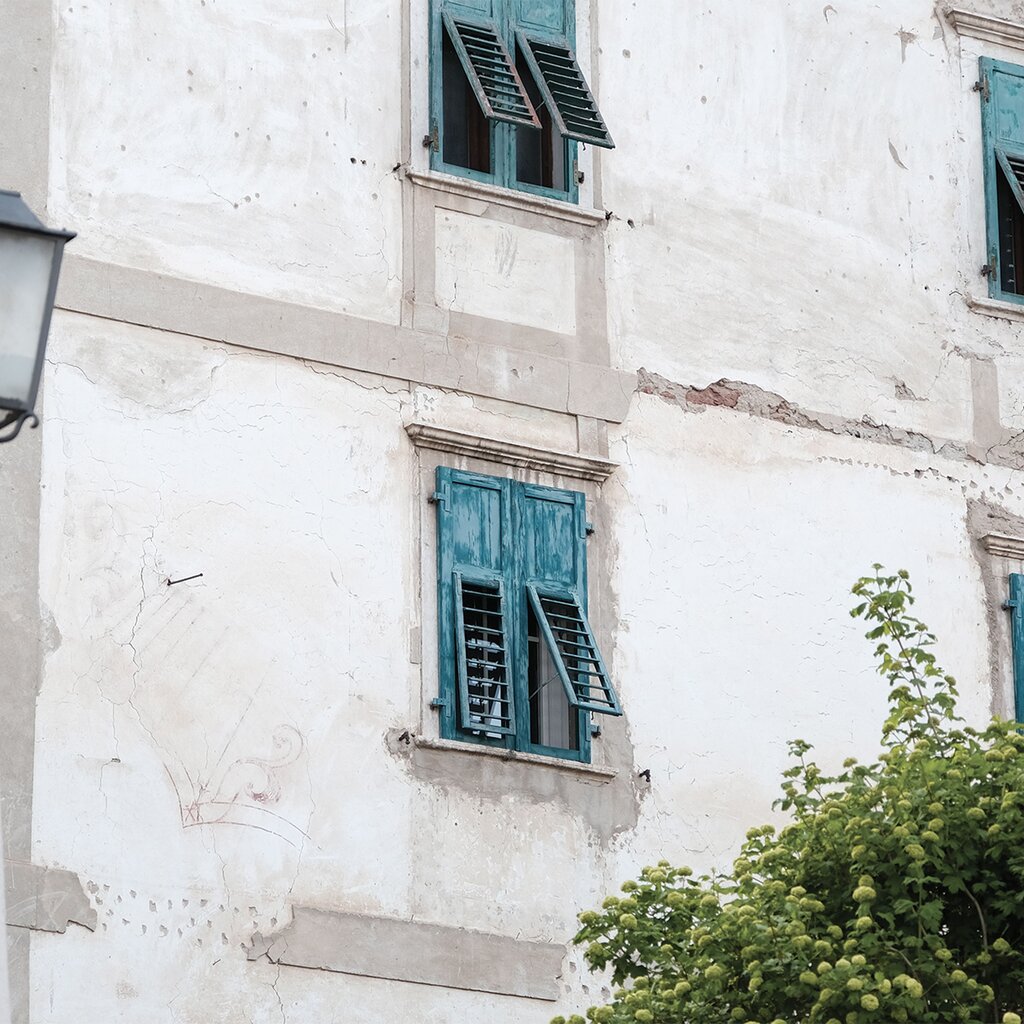
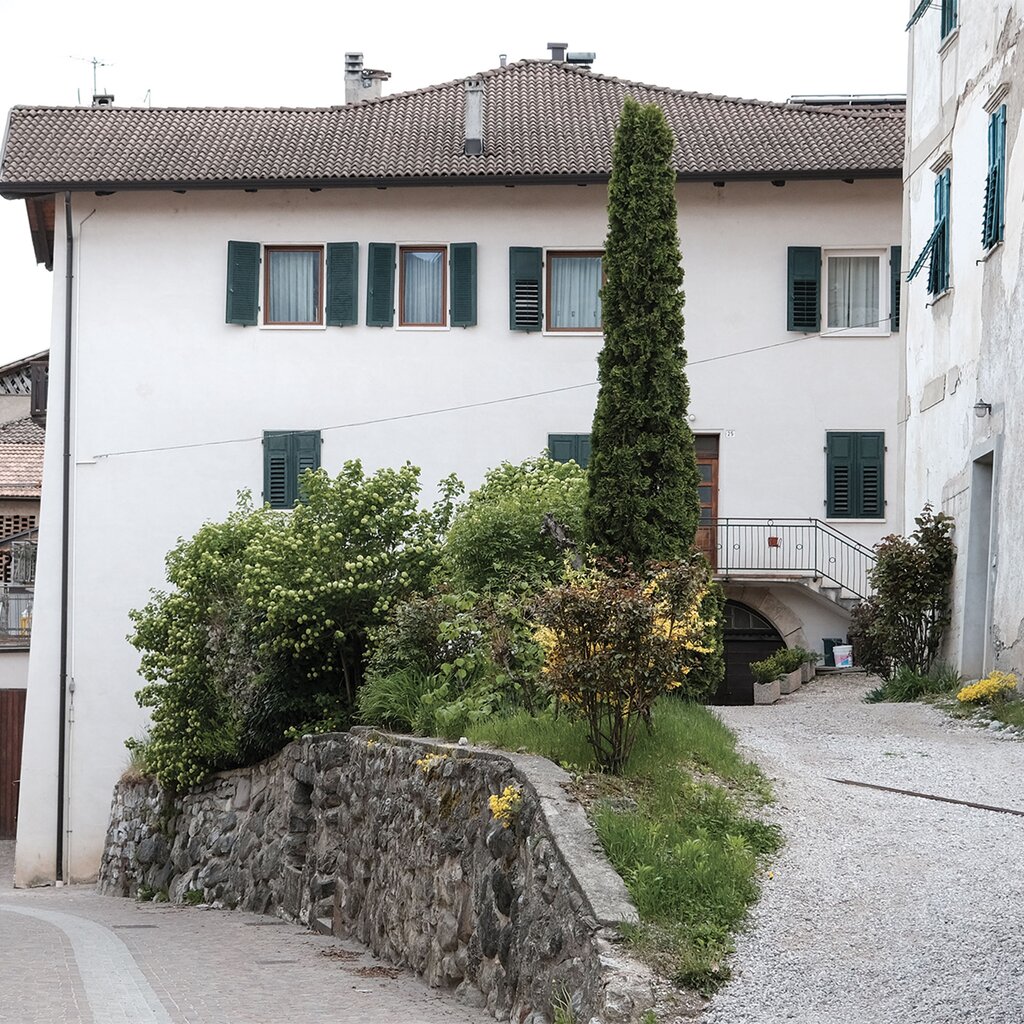
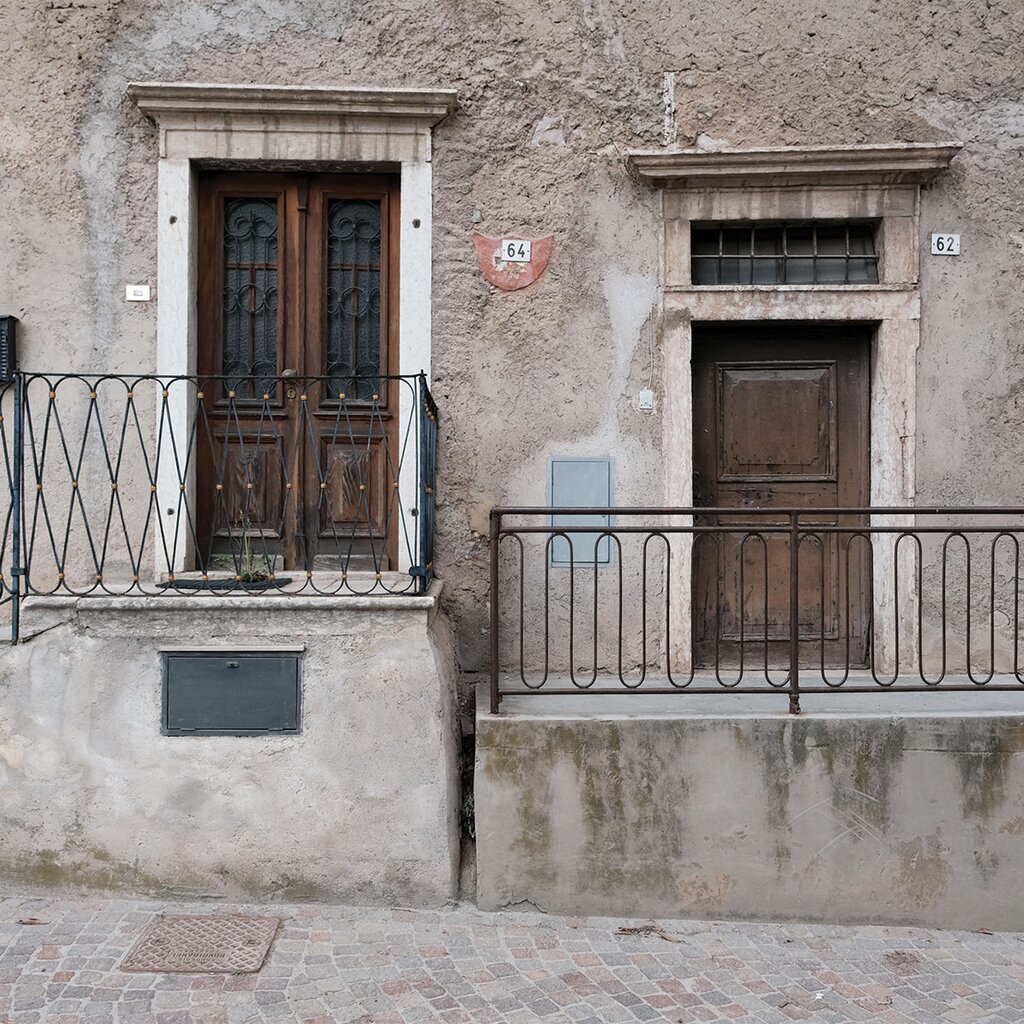
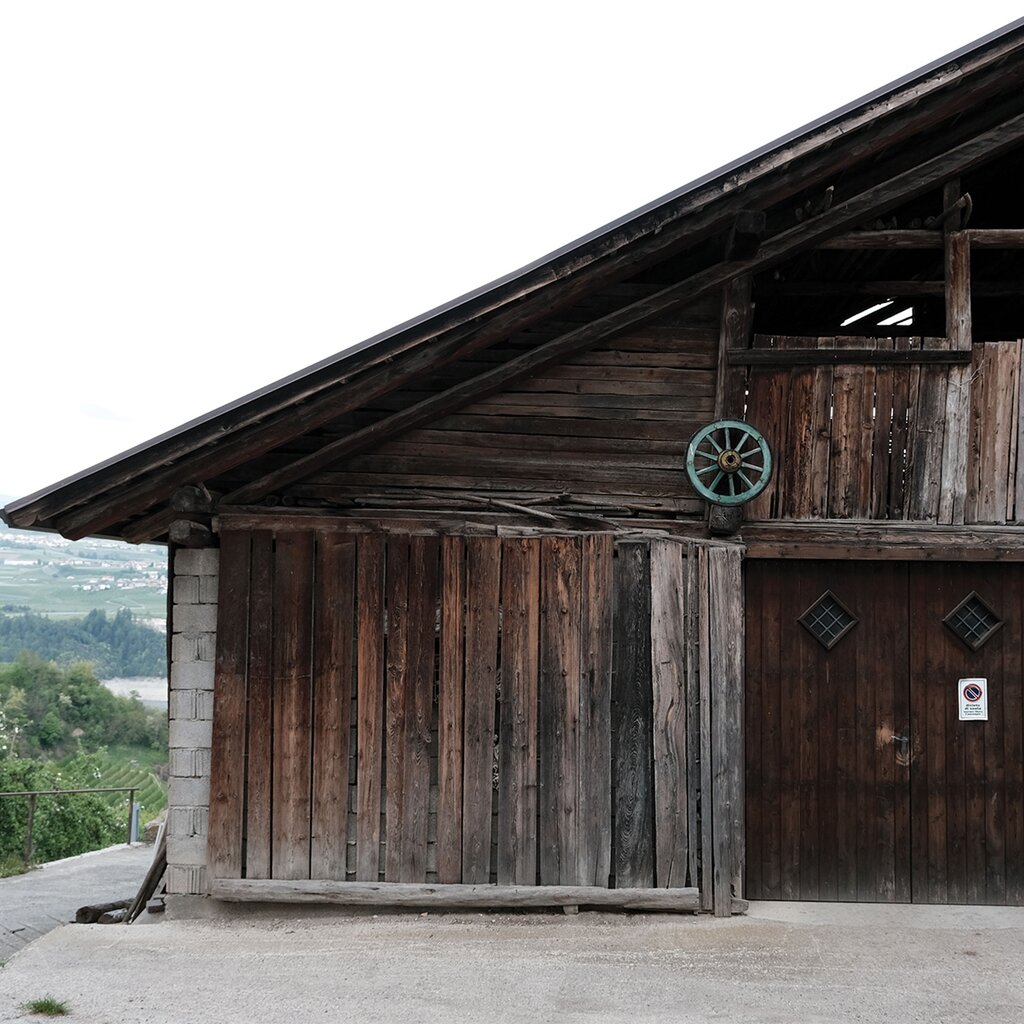
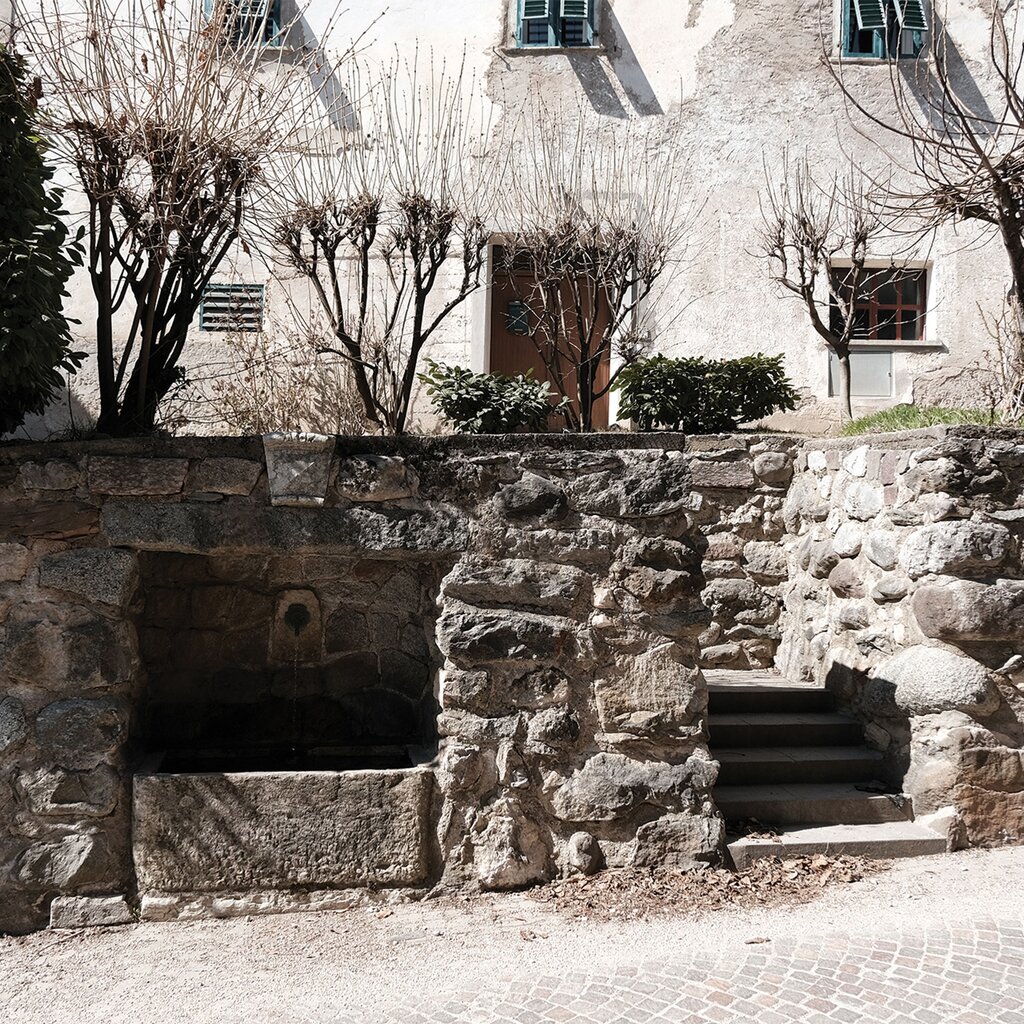
The visual characteristics of this area are very distinctive with the watercourse of the Rio Dres providing a protective physical limit to the area, which at one time was garrisoned and also had to maintain contact with the castle, which is always clearly visible from Dres. The shape of the settlement is very linear, along the length of the roadway. The first building you encountered in Medieval times as you climbed up the road can still be seen today: the small church of San Tommaso, strangely remote from the village itself, which only achieves some impression of central focus near the village fountain. Dres has some old buildings that combine refined architectural features with an overall rural look, with some decorative details appearing alongside rustic wooden structures. There are some truly impressive buildings facing onto the central road, which fortunately has been demoted to a purely access role by the modern construction of Via Marconi. In fact, old Dres would not have been able to cope with modern road traffic and has thus remained a charming agricultural settlement still in contact with the rolling farmlands below and with the forest of Faè rising up to Santo Crocifisso.