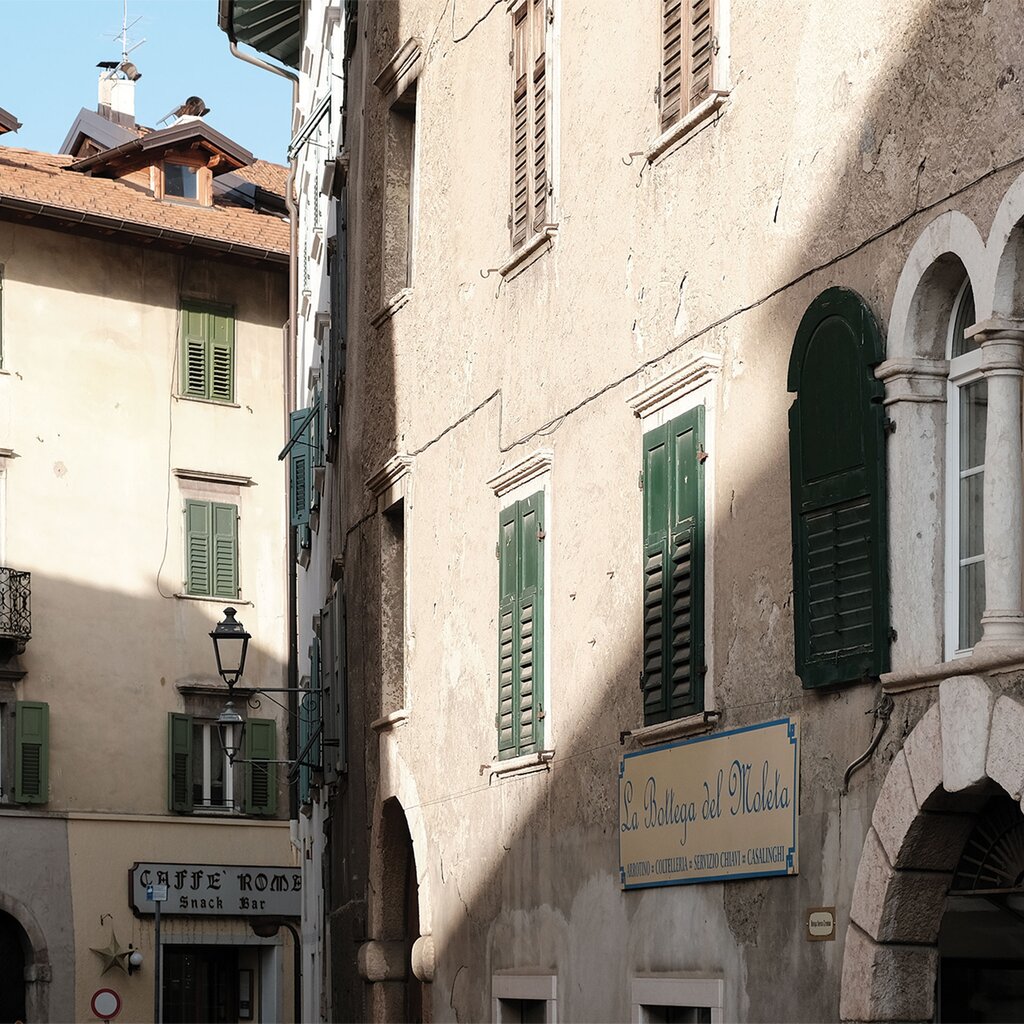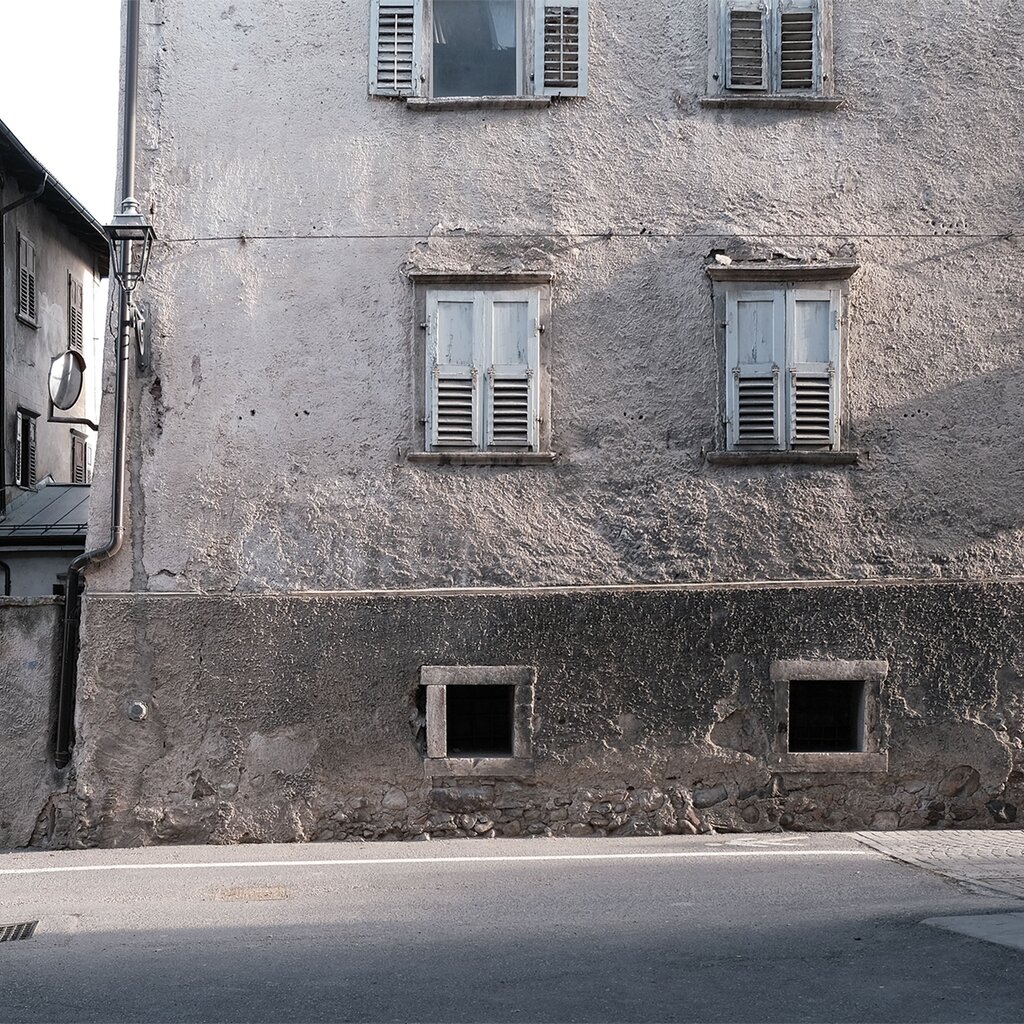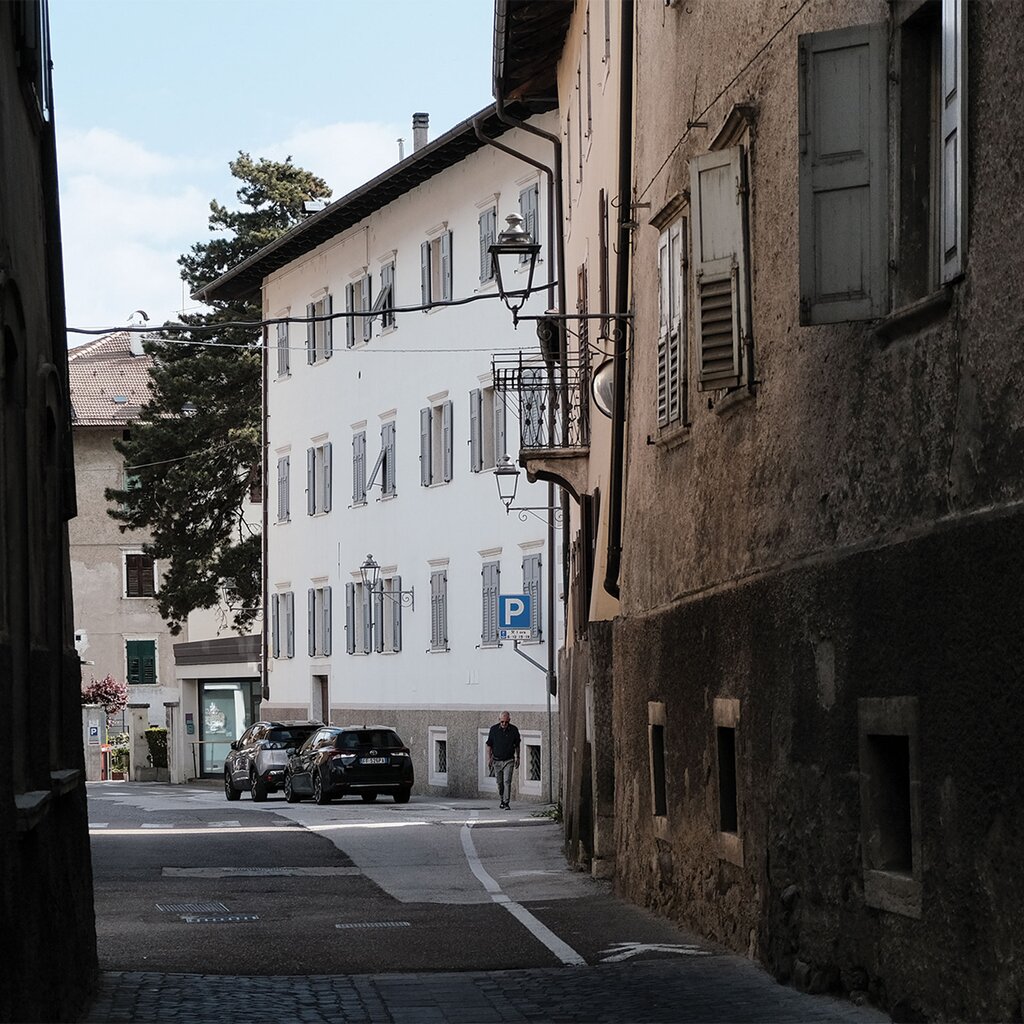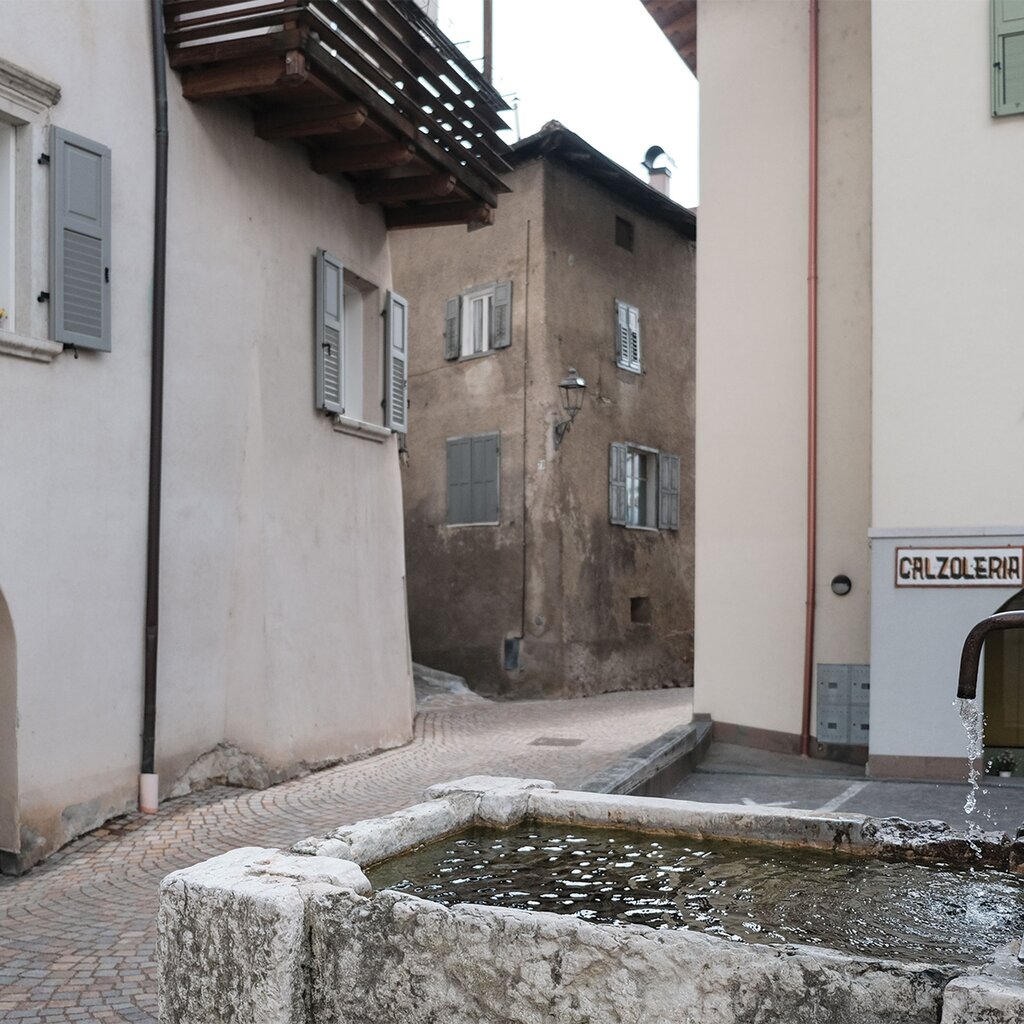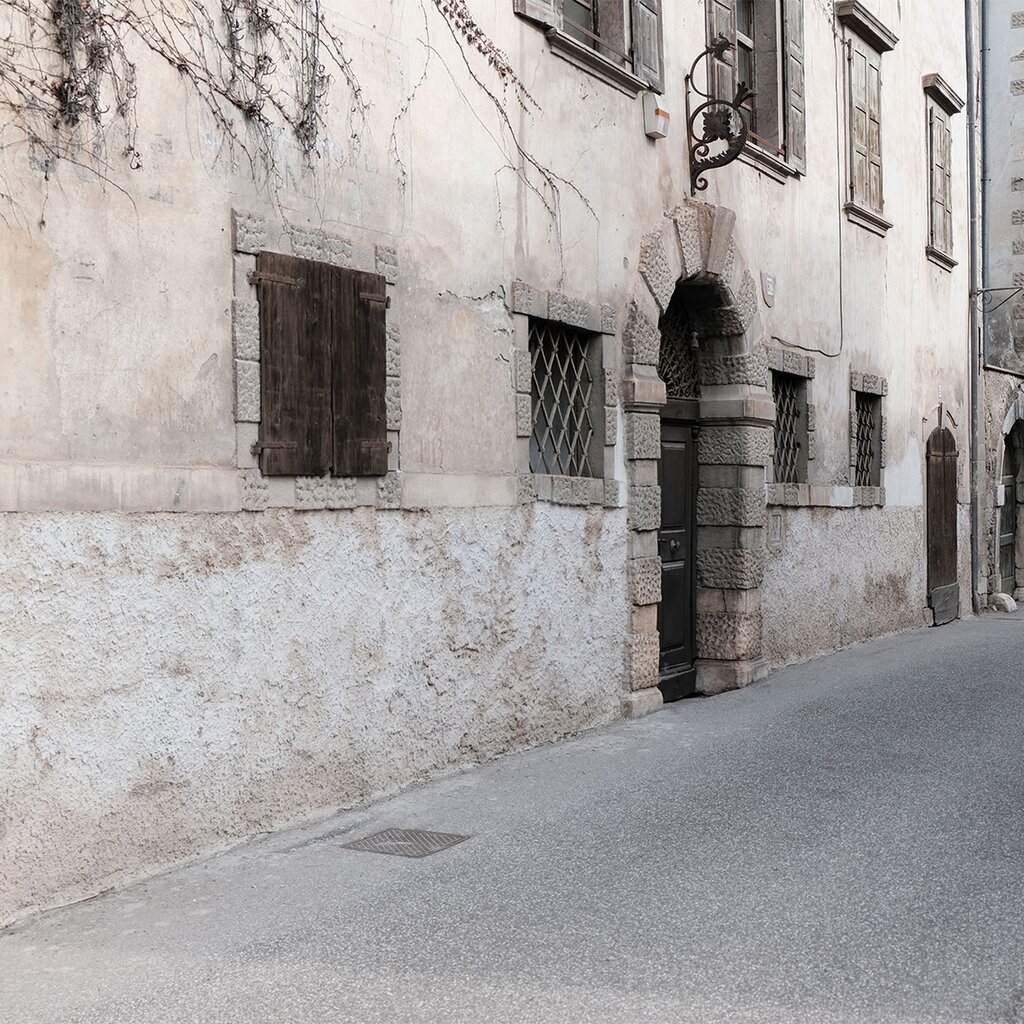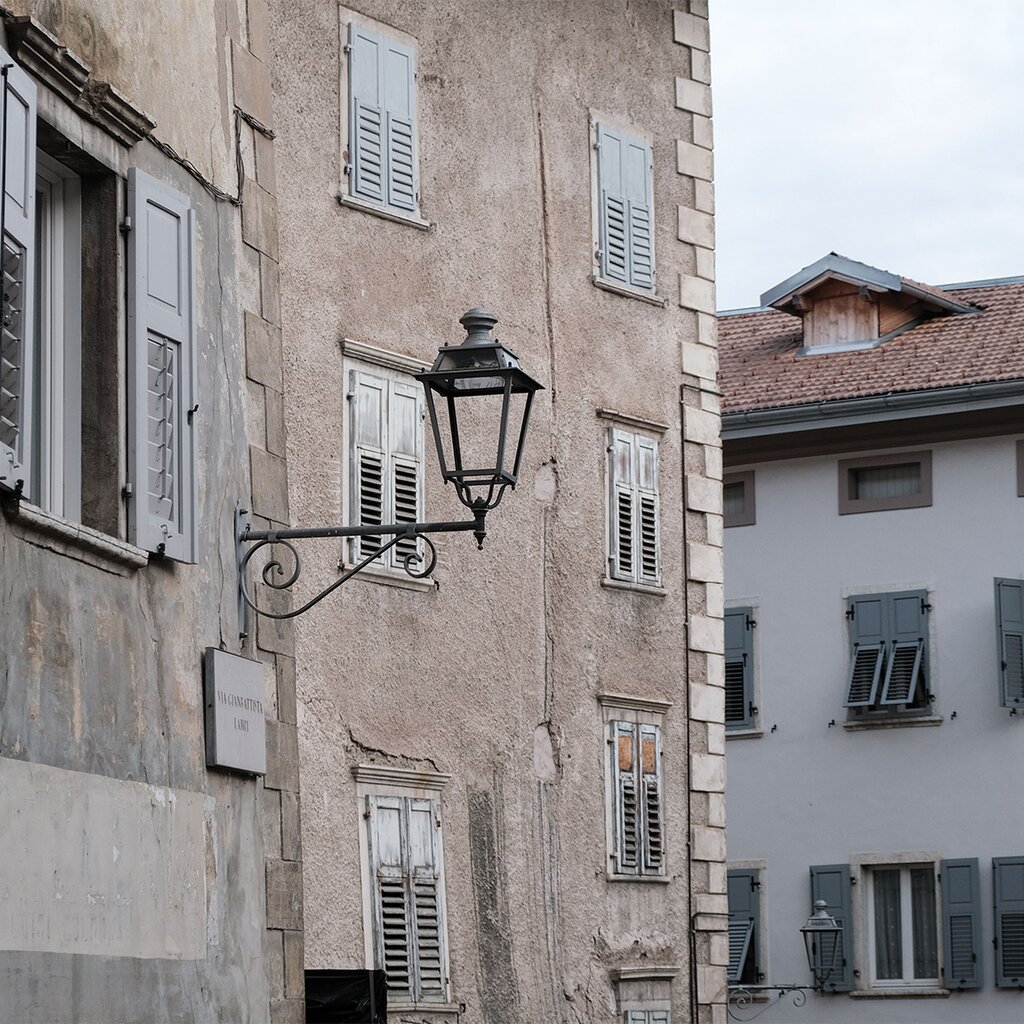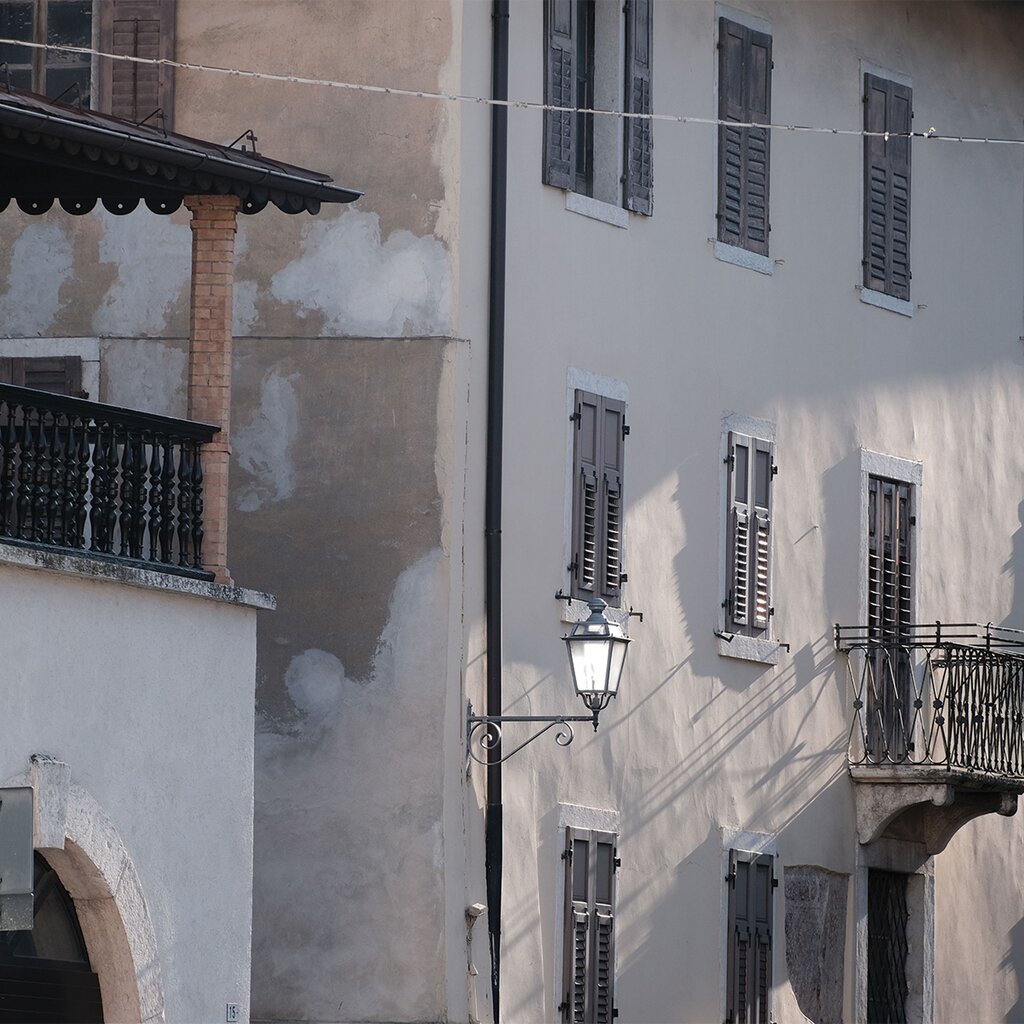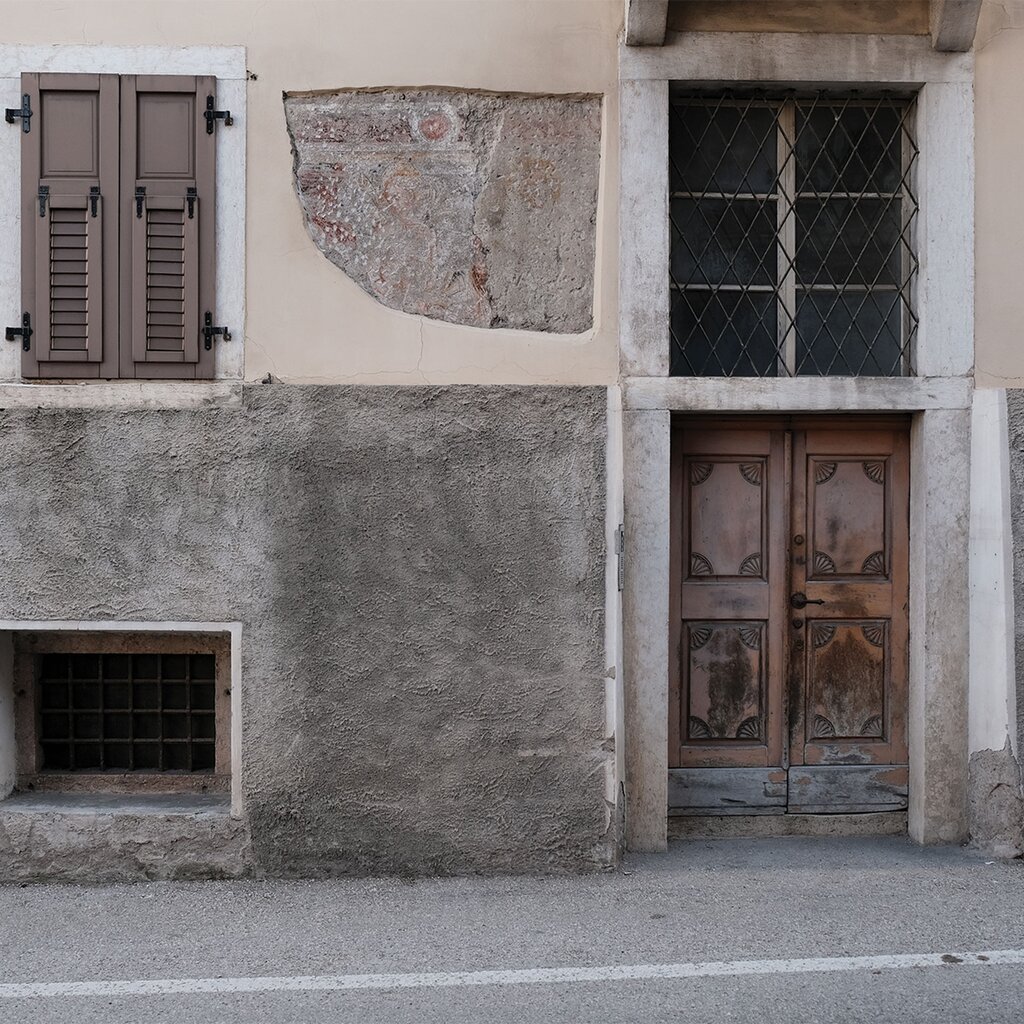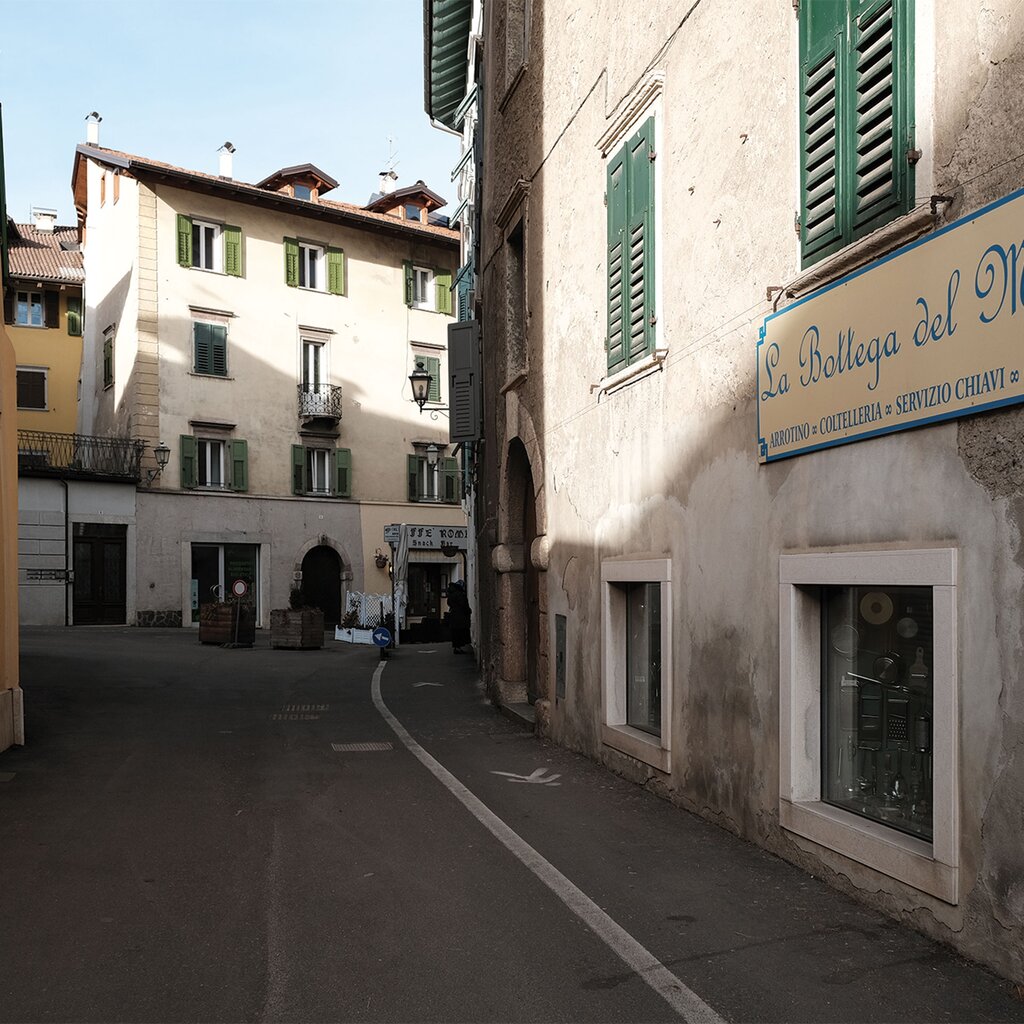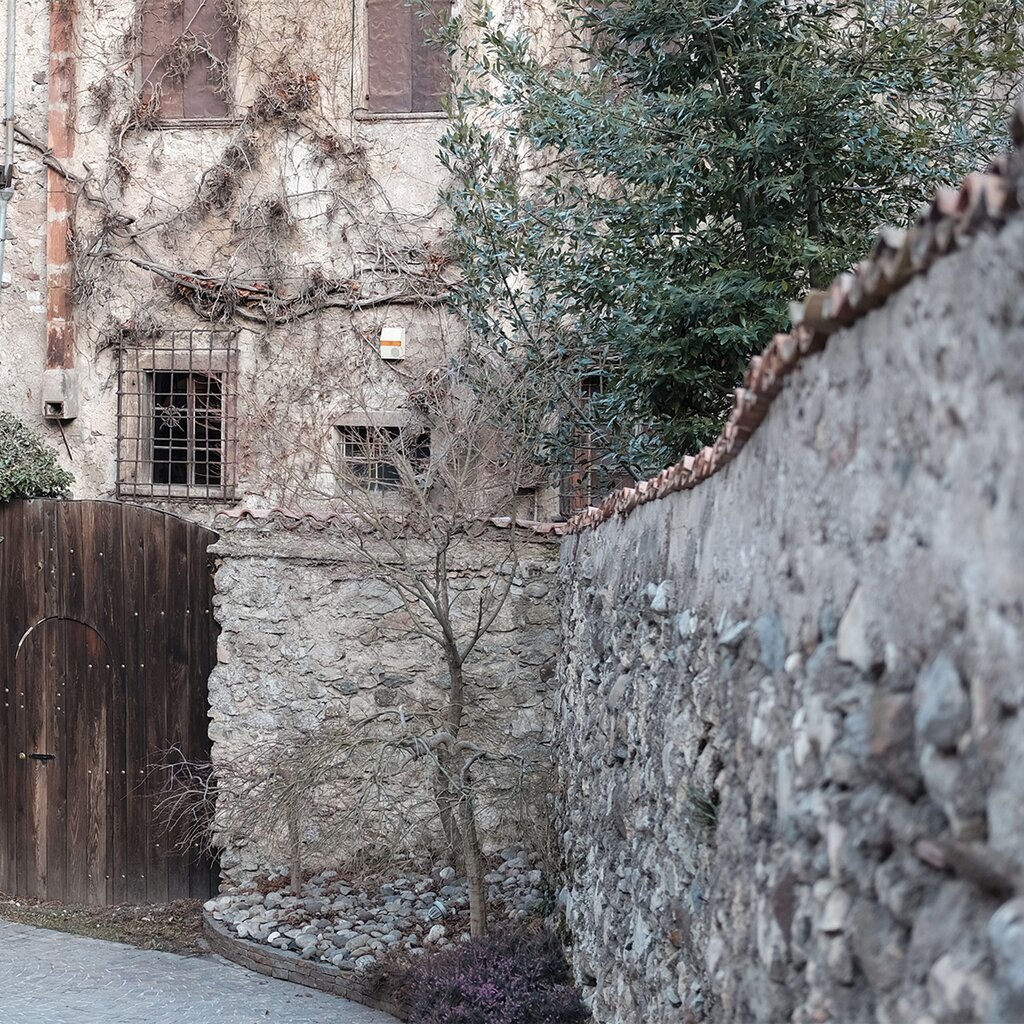
Spinazzeda (from "spina" which means "thorn" and refers to the thorny bushes that proliferated along the edges of the marshy area lower down) is on the road from Mechel, Via Traversara, ultimately connecting with Rocchetta and the cross-roads of Piazza Granda.


It extends in a ribbon along the current Via Lampi with a branch off into Via Tiberio Claudio heading up towards the mountains. An ancient canal (Canalòn) runs through the settlement, which faces onto the lakeside of Moje, once an important resource, arranged along the slightly sloping terrain in order to maximize exposure to sunshine. The settlement remains very compact to this day, starting in Piazza Granda and finishing at the Convento dei Frati, which when built in the first half of the 1600s was located just outside the houses. This was the first Christian institution established in Spinazzeda, with the partial exception of the San Vito church, which was rather remote but nevertheless was considered the local church for a couple of centuries. Over time the district assumed a dominant commercial role thanks to its strategic location on the most important transport route. Numerous shops, inns, and other commercial activities were opened, including artisans like the Viesi workshop. However, it is most characterized by the construction of two rows of high quality architecture along Via Lampi, resulting in many of the best buildings in Cles being concentrated in Spinazzeda. These stand as testimony to a splendid history of economic prosperity thanks to the important commercial role increasingly played by this district of Cles. Among other things, it was home to the hospital, doctor's clinic, and cheese factory, along with the interesting feature of the Prà del Toro. The construction of Viale Degasperi represented simultaneously both an opportunity and the decline of Spinazzeda. The commercial and residential focus switched to the new road leading to the hospital, greatly reducing the attraction of the district, which in turn was spared the arrival of modern traffic. Its slow decline thus began over the last thirty years in the form of widespread abandonment of the historic housing in favour of the new residential areas, which offered more favourable outlooks and greater convenience. Today Spinazzeda represents an clear urban paradox: while it is very close to the most important services (hospital, schools, public offices, old-age home, nursery schools, shops, etc.), it is no longer able to play the strategic role it had in the past. It nevertheless remains one of the two districts that first gave rise to the town of Cles and thus deserves acknowledgement as an important historical and identifying heritage.